Search Results
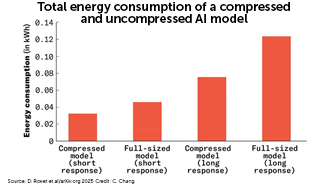
Compression of AI = Compassion for the Earth
Using AI gobbles up an enormous amount of energy, and the power needs of data centers may already be helping to drive up electricity costs in some areas. So researchers are looking to compress AI models to a more manageable size, which would also allow them to run on devices instead of online in the cloud. One approach uses a mathematical structure called a tensor network.
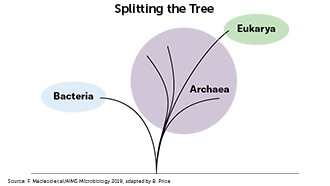
A look at life’s origins
A group of single-celled microbes that belong to the domain of life known as archaea may have been crucial to the evolution of complex life. Members of this group, known as Asgard archaea, seem to have evolved in several ways that primed them to give rise to multicellular life. This suggests that complex life may evolve more easily than biologists have thought, but researchers are still working out how exactly it could have happened.
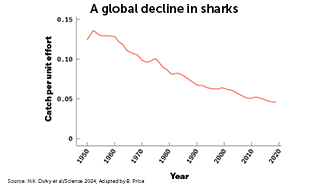
Save our Sharks!
Many people fear sharks even though it’s more likely for someone to be struck by lightning than bitten by a shark. People should instead fear for sharks, many of which are threatened. Researchers are working to convince people that sharks, which are vital to maintaining the ocean’s health, are more valuable alive than dead.
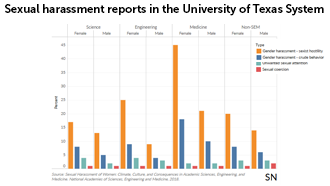
Dark side of science and society
Sexual harassment of science students is widespread in the United States, according to a 2018 report by the National Academies of Science, Engineering and Medicine. To improve, universities need to change their culture and environment, and research and legislation could help guide their actions.
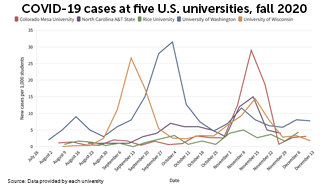
Dorm room data: COVID-19 cases in 5 universities
Universities that opened their campuses in fall 2021, during the COVID-19 pandemic, faced an uncharted, months-long experiment in infection control. Science News looked at the measures five universities took. Each school cobbled together periodic testing with rules about masks and public gatherings.
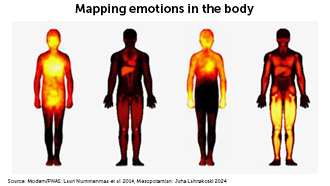
Mapping emotions in the body
For 3,000 years, humans have connected emotions to some of the same body parts. An analysis of clay tablets reveals that ancient Mesopotamians felt love in the heart and fear in the gut, as we do today.
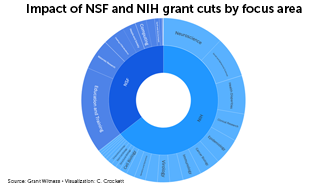
Are cutbacks cutting our future?
In 2025, the Trump administration froze or terminated more than 3,800 research grants from the National Institutes of Health and the National Science Foundation. The roughly $3 billion in cuts targeted initiatives related to diversity, equity and inclusion; environmental protection; vaccine hesitancy; public health and more.
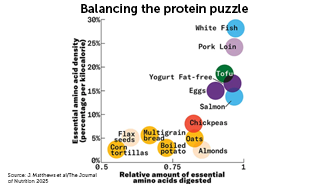
Balancing the protein puzzle
Protein is having a moment. It’s cropping up as an additive in all sorts of foods, and social media influencers tout high-protein diets as key to big muscles. But people in the United States typically get enough protein; they just might not be getting the right mix.
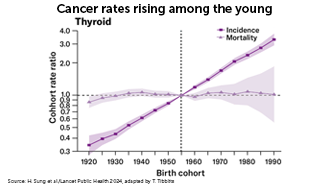
Cancer patterns in younger generations
Cancer is typically a disease of older people. But since the 1990s, rates of early onset cancer have been rapidly increasing globally.

Eyes are not all equal
Golden apple snails can completely regrow a functional eye within months of having lost one. Understanding how the snails re-create or repair their eyes might someday lead to therapies to heal people’s eye injuries or reverse some eye diseases.

Mapping the Mississippi
Freshwater fish make vast treks, but their migrations remain hidden beneath the surfaces of rivers. This invisibility has left freshwater fish largely overlooked, even as their populations worldwide have plummeted. Now, global “swimways” for migratory fish are emerging as an important conservation focus.
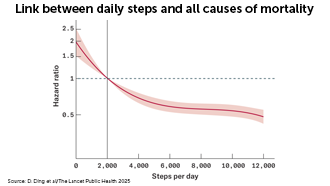
Take a hike
Walking just 7,000 steps per day can lower a person’s risk of certain health issues, according to a new study. Even a small increase in steps per day lowered health risks.