Search Results
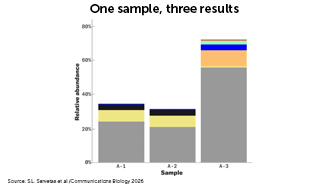
Trust your gut…but maybe not the gut microbiome test
Commercial microbiome tests may give inconsistent results. Seven microbiome testing companies got three identical fecal samples but returned different results about which gut microbes were present. Such discrepancies matter because people may change their diets, take probiotics they don’t need or even get fecal transplants based on inaccurate microbiome test results.
A new “smart” underwear
Scientists develop and deploy new tech to answer this question: How many farts per day is “normal?” Learn how the researchers’ experimental design evolved, sometimes in unconventional ways, and discuss how this new tech might help people in the future.
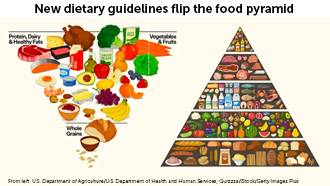
Food pyramid shuffle
The U.S. Department of Health and Human Services and the Department of Agriculture unveiled an overhauled food pyramid on January 7. It differs drastically from decades of previous recommendations. To learn about the new guidelines’ strengths and weaknesses, Science News spoke with Marion Nestle, a professor emerita of nutrition, food studies and public health at New York University.
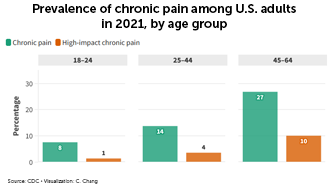
Painful truth
In the United States, chronic pain affects tens of millions of people — about 1 in 5 adults. So researchers are on a quest to find new pain treatments that aren’t as addictive as opioids, a therapy that has fueled an epidemic that kills tens of thousands of people each year.
Needle-free insulin
Students will investigate how researchers apply chemistry principles to create a potential solution to help diabetes patients. Students will define the problem of why it’s difficult to create skin patches to deliver diabetes drugs and brainstorm possible solutions by thinking about the structure and function of the different layers of the epidermis.
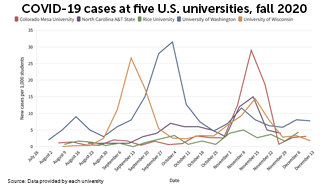
Dorm room data: COVID-19 cases in 5 universities
Universities that opened their campuses in fall 2021, during the COVID-19 pandemic, faced an uncharted, months-long experiment in infection control. Science News looked at the measures five universities took. Each school cobbled together periodic testing with rules about masks and public gatherings.
Exercise and education
In this activity, students will design an experiment to observe how exercise affects their ability to concentrate in class. Students will then read the Science News Explores article “Short exercise workouts can boost classroom performance” and analyze how their experiment differed from the experiment described in the article.
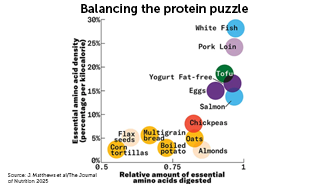
Balancing the protein puzzle
Protein is having a moment. It’s cropping up as an additive in all sorts of foods, and social media influencers tout high-protein diets as key to big muscles. But people in the United States typically get enough protein; they just might not be getting the right mix.
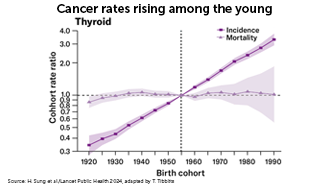
Cancer patterns in younger generations
Cancer is typically a disease of older people. But since the 1990s, rates of early onset cancer have been rapidly increasing globally.
The brain provides answers
Brain scans can help scientists answer questions about how the brain receives information from parts of the body and controls them. In this short activity, students will think of a question that could potentially be answered by brain scans and write a scientific question.
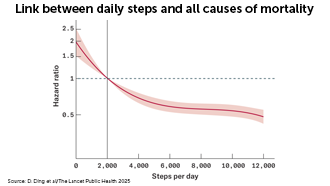
Take a hike
Walking just 7,000 steps per day can lower a person’s risk of certain health issues, according to a new study. Even a small increase in steps per day lowered health risks.
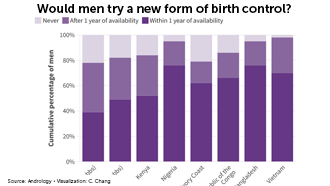
The rise of male contraceptive options
Contraceptive pills for women emerged in 1960, followed by hormonal implants, patches, vaginal rings and IUDs. But no new contraceptive methods have become available for men. New research could change that in the next five to 10 years.