Search Results
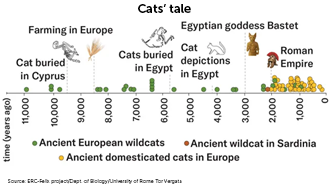
Cats and their ancient 9 lives
Like a toy on a string, the timing of cat domestication has been a moving target. Now researchers have pounced on a new timeline suggesting that tame descendants of African wildcats left the continent more recently than realized.
The Okefenokee’s outlook
Students will define various types of wetlands and identify their unique characteristics before learning about the Okefenokee Swamp’s function as a carbon sink and its ecological and cultural importance. After learning about the Okefenokee, students will create an educational conservation campaign about the Okefenokee or another vulnerable ecosystem.
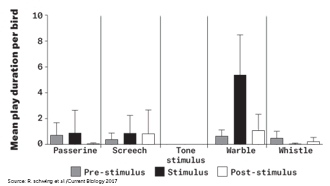
Animal joy
For decades, scientists have struggled to identify or measure joy in animals. Better measurement of creatures’ positive emotions would allow scientists to make strides in studying the causes of happiness and how animals communicate it. So a team of researchers is trying to develop a “joy-o-meter,” a set of metrics to help understand animal emotions.
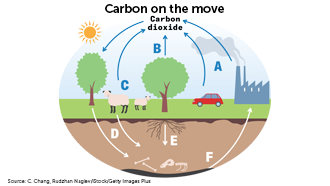
Soil microbes during climate change
A warming world will impact bacteria, fungi and other microbes that play key roles in ecosystems. So researchers are working to understand how climate change will affect microbes — and if humans can harness them to reduce its impacts.
Run like a rabbit
In this activity, students will play a game called “Run Like a Rabbit” to model population dynamics and then analyze how predator and prey populations changed over time during the game. Students will then read the Science News article "In a Quebec park, a science game brings predator-prey dynamics to life” and identify how the game described in the article differs from the game they played. After they analyze how predator and prey tactics affect population dynamics, students will identify a new tactic that was not included in the “Run like a Rabbit” game and will create a new rule for the game to reflect this tactic.
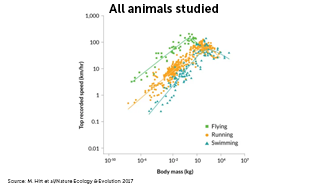
Why mid-size wins in speed
The relationship between speed and size has long stumped scientists. A study that surveyed how speed tracks with body size found that the make-or-break factor was the time it takes animals to achieve their theoretical top speed.
Critter crater
Learn how researchers use the scientific method to study a beloved landmark — Chicago’s “Rat Hole.” Practice designing your own experiment and creating a hypothesis. Learn to draw conclusions from data, all while using your investigative spirit to study the nuances of this mysterious impression, then make your own observations.
Ancient ecosystem clues
Students will describe what they can learn from different types of fossils, from bones to microfossils. Then they will learn about an example of fossilized vomit and answer questions about how paleontologists use fossilized “clues” to learn about ancient species’ interactions and ecosystems.
One parent or two? Sexual vs. asexual reproduction
In this lesson, students will compare asexual and sexual reproduction while analyzing the rate that offspring are created. Then, they’ll explore how the elm zigzag sawfly is spreading across North America, the threat this poses, why this case is different from other insect invasions and what concerned citizens can do.
A look at life’s origins
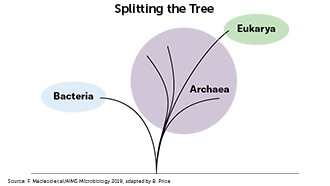
A group of single-celled microbes that belong to the domain of life known as archaea may have been crucial to the evolution of complex life. Members of this group, known as Asgard archaea, seem to have evolved in several ways that primed them to give rise to multicellular life. This suggests that complex life may evolve more easily than biologists have thought, but researchers are still working out how exactly it could have happened.
Giant Bats’ Midnight Snacks
Swoop aside, vampire bats. The grisly-eater prize may go to Europe’s greater noctule bats. Discuss how various measurements can combine to increase our understanding of a complex predator-prey behavior, all while interpreting graphs and discussing how other forms of evidence could improve the current model.
Save our Sharks!
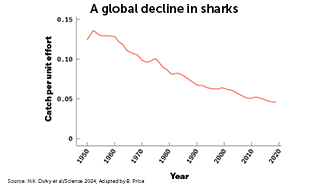
Many people fear sharks even though it’s more likely for someone to be struck by lightning than bitten by a shark. People should instead fear for sharks, many of which are threatened. Researchers are working to convince people that sharks, which are vital to maintaining the ocean’s health, are more valuable alive than dead.