Search Results
Hot Hot Hot!
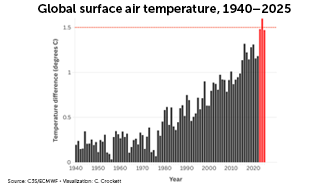
The last three years were the hottest on record, a new analysis shows. It was also the first three-year-period in which average global temperatures exceeded 1.5 degrees Celsius above preindustrial levels. That threshold coincides with weather extremes and increased risks to biodiversity and human health.
Hurricanes level up
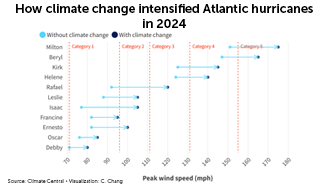
Human-caused climate change is boosting the intensity of Atlantic hurricanes. Using computer simulations, researchers calculated what wind speeds of recent hurricanes would have been without warming and then compared them with the hurricanes’ actual wind speeds. The team found that climate change boosted wind speeds by up to 47 kilometers per hour (28 miles per hour).
Plume food will not make plankton plump
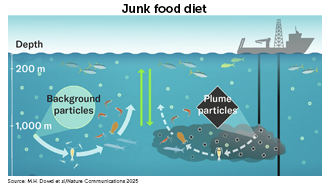
Tiny floating plankton can accidentally eat sediment particles kicked up by deep sea mining. Plankton that munch these nutrient-poor particles could starve, which could lead to a starvation cascade affecting creatures at higher levels of ocean food webs.
Cashing in on Carbon
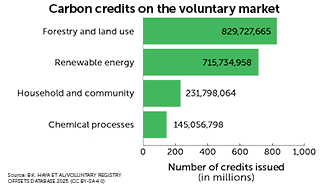
Airlines often offer passengers the option to pay a few dollars for carbon credits that offset their share of the flight’s emissions. But those purchases might not be helping the climate because of problems with the voluntary carbon credit. Understanding how carbon credits work can help you decide what to do about your carbon footprint.
Microbial helpers
In atmospheric chemistry, an equilibrium will develop as the system balances gains and losses in important molecules. Calculate the role of bark-dwelling microbes on the overall concentrations of atmospheric methane, all while answering questions about how a new understanding of microbial diets might suggest paths to a more sustainable future.
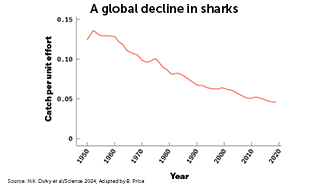
Save our Sharks!
Many people fear sharks even though it’s more likely for someone to be struck by lightning than bitten by a shark. People should instead fear for sharks, many of which are threatened. Researchers are working to convince people that sharks, which are vital to maintaining the ocean’s health, are more valuable alive than dead.
Ecosystem portrait
In this activity, students will read the Science News Explores article “There’s life beneath the snow — but it’s at risk of melting away” and reflect on how the author of the article educates the reader. After finishing the article, students will create their own ecosystem portrait to educate their classmates about a unique ecosystem.
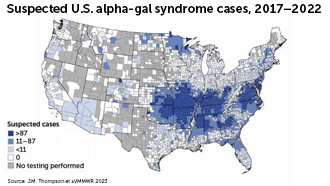
Mapping the spread of ticks
Three types of ticks may spread alpha-gal syndrome, an allergy to red meat. Researchers think the condition is caused by molecules in the saliva of certain tick species. The best way to avoid the syndrome is to prevent tick bites.
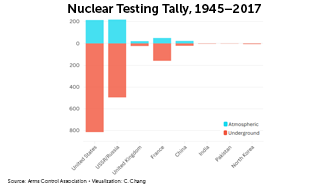
Nuclear testing tally
Beginning with the first test explosion in 1945, more than 2,000 atomic blasts have rattled the globe. Nuclear testing dwindled after a treaty in the 1990s. Recently, some in the United States have called for resumed testing, which could have serious consequences for the environment and global politics.
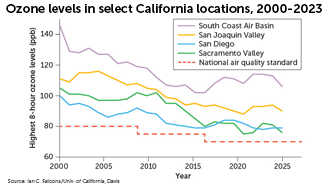
Agriculture may be growing ozone
The air pollutant ozone has been linked to health problems including respiratory illness, reproductive problems and some cancers. Levels of ozone in the United States have come down over time but have started to rise again in places because of wildfires and soil emissions.
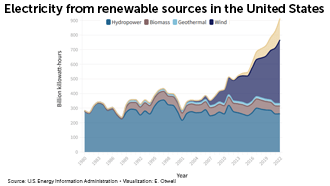
Renewable power is a bright idea
Over the past two decades, electricity from renewable sources, such as wind and solar, has been on the rise. Devices known as grid-forming inverters will likely play a major role in getting renewable energy safely into the power grid.
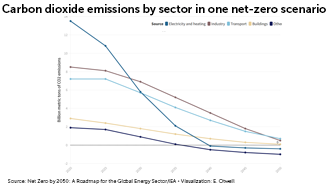
The race to net zero
Drastic cuts to greenhouse emissions are needed to prevent even more catastrophic consequences than the rising sea levels, extreme weather and other impacts our warming world has already faced. Scientists have mapped out potential paths to net-zero, when greenhouse gases emitted are balanced by those removed. This includes decreases in emissions from transportation, industry and other sectors.