All Stories
- Climate
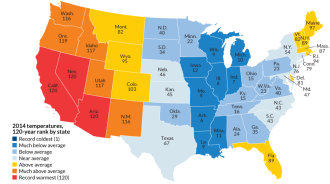
The continental divide of 2014 temperature
According to data from NASA and NOAA, 2014 was one of the hottest years on record — in some states.
- Neuroscience
Two sets of neurons turn thirst on and off
A study in mice reveals that two neural groups in the hypothalamus drive the body’s need to quench or not to quench.
- Planetary Science
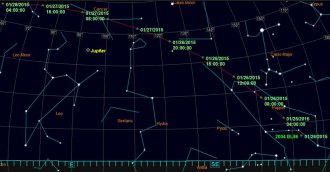
Large asteroid buzzes Earth
Asteroid 2004 BL86 swings by Earth today at three times the distance to the moon, the closest asteroid encounter until 2027.
- Science & Society
Big data studies come with replication challenges
As science moves into big data research — analyzing billions of bits of DNA or other data from thousands of research subjects — concern grows that much of what is discovered is fool’s gold.
- Chemistry
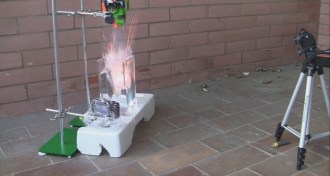
Sodium and other alkali explosions finally explained
A high-speed camera snaps sharp details of how alkali metals explode in water — a classic, but until now, not fully explained chemical reaction.
- Climate
Warming could nearly double rate of severe La Niña events
Changing climate in the western Pacific could roughly double the frequency of severe La Niña events that cause extreme weather shifts across the globe.
- Life
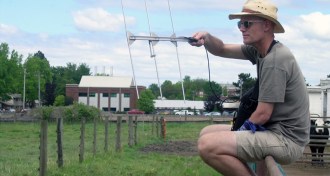
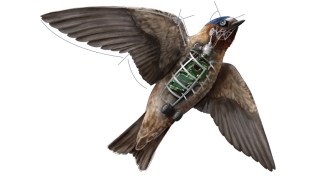
Fast and furious: The real lives of swallows
In the fields of Oregon, scientists learn flight tricks from swallows.
- Life
Flying animals can teach drones a thing or two
Scientists have turned to Mother Nature’s most adept aerial acrobats — birds, bees, bats and other animals — to inspire their designs for self-directed drones.
- Neuroscience
Decoding sommeliers’ brains, one squirt of wine at a time
Researchers use a ‘gustometer’ to control wine portions in experiments comparing the brains of sommeliers and novices.
- Planetary Science
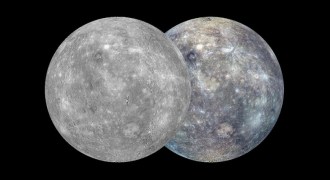
Decades-old idea brought to fruition: a mission to Mercury
In 1965, engineers proposed sending a spacecraft to Mercury with help from another planet’s gravity – a technique now used in many interplanetary missions.
-
- Physics
How blueshift might beat redshift
Even though the expanding universe makes light redder, light emitted by collapsing stars and dust clouds could appear unusually blue.