
All Stories by Nikk Ogasa
- Earth
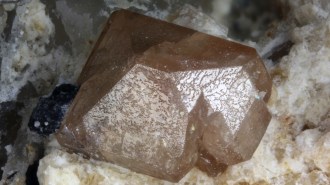
Ancient zircons offer insights into earthquakes of the past
Analyzing zircons’ chemical makeup can help expose intense quakes from the past and improve our understanding of the physics of today’s tremors.
- Ecosystems
Just 3 ingredients can quickly destroy widely used PFAS ‘forever chemicals’
Ultraviolet light, sulfite and iodide break down enduring PFAS molecules faster and more thoroughly than other UV-based methods.
- Science & Society
Mass shootings and gun violence in the United States are increasing
In the wake of mass shootings in Buffalo, N.Y., and Uvalde, Texas, a gun violence researcher shares what can be done to reduce gun violence deaths.
- Ecosystems
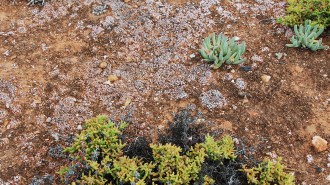
Biocrusts reduce global dust emissions by 60 percent
Lichens and other microbes construct biological soil crusts that concentrate nutrients and slash global dust emissions.
- Agriculture
Oat and soy milks are planet friendly, but not as nutritious as cow milk
Plant-based milks are better for the environment, but nutrition-wise they fall behind cow milk.
- Planetary Science
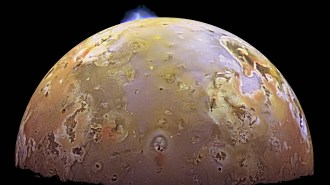
Lava and frost may form the mysterious lumps on Jupiter’s moon Io
Jets of gas released when hot meets cold on the volcanic moon Io could generate sprawling fields of dunes, a study finds.
- Earth
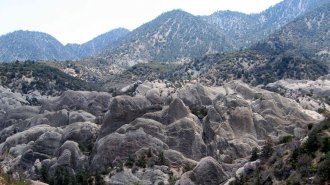
Ancient zircons may record the dawn of plate tectonics
A change in gemstone composition starting about 3.8 billion years ago may offer the earliest record of one tectonic plate sliding over another.
- Animals
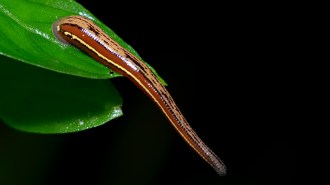
Leeches expose wildlife’s whereabouts and may aid conservation efforts
DNA from the blood meals of more than 30,000 leeches shows how animals use the protected Ailaoshan Nature Reserve in China.
- Climate
A UN report says stopping climate change is possible but action is needed now
We already have a broad array of tools to reduce global greenhouse gas emissions in half by 2030, a new report finds. Now we just have to use them.
- Climate
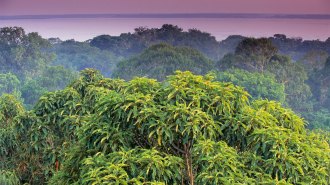
Forests help reduce global warming in more ways than one
Trees are often touted as bulwarks against climate change for their capacity to sequester carbon, but that’s just one part of the story.
- Planetary Science
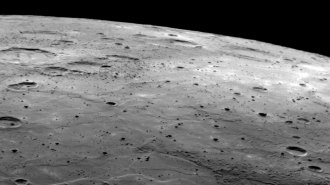
Diamonds may stud Mercury’s crust
Billions of years of meteorite impacts may have flash-baked much of a primitive graphite crust into precious gemstones.
- Climate
A UN report shows climate change’s escalating toll on people and nature
The latest United Nations' IPCC climate change report underscores the urgent need for action to avoid the worst consequences of global warming.