Flipper: the canary in the ocean
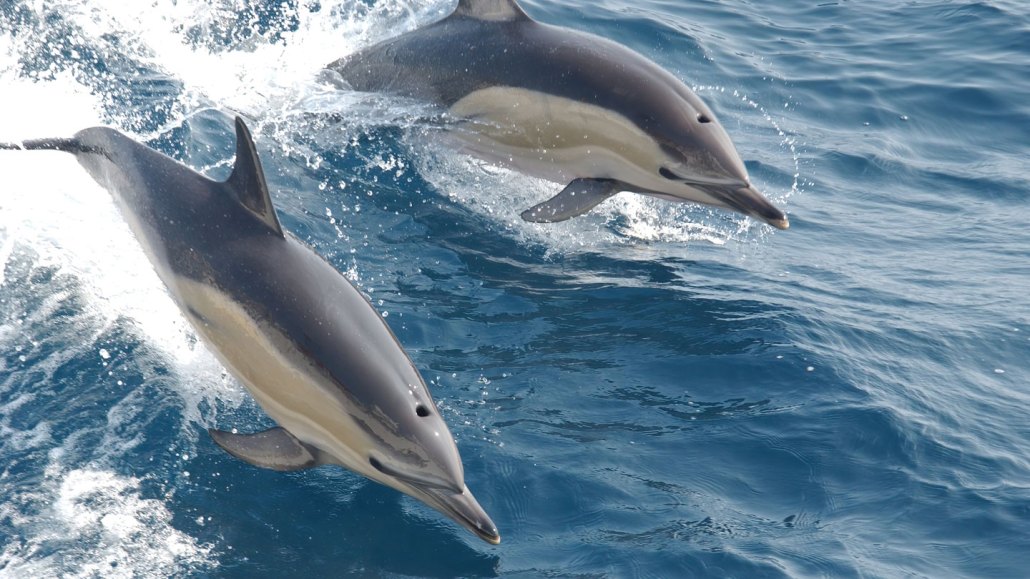
A photo of two common dolphins mid-jumping out of the water.

Six million common dolphins live in oceans around the world. How they respond to marine pollution can provide early warnings for human health.

NOAA NMFS

Dolphins are known to marine biologists as sentinel species. Like the proverbial canary in the coal mine, if they are ailing, humans may be next. Cue the ominous music. A recent report reveals that forever chemicals in the ocean are accelerating aging in wild dolphins. For Science News, Libby Riddle peers into the abyss.

☹️ EPA gets an F on forever chemicals

First, the findings: Forever chemicals, also referred to as synthetic per- and polyfluoroalkyl substances (PFAS), do not break down in nature. Instead, they accumulate in marine food webs, where they’re linked to disruptions in the endocrine and immune systems of sea creatures and other organisms. The research outlined in the study examined liver and kidney samples from 75 common dolphins that died of various causes from 2000 to 2023. Scientists discovered that dolphins with higher concentrations of certain PFAS showed significantly worse discrepancies between their age in calendar years and the “age” indicated by how degraded their DNA was. In other words, those dolphins were aging at an accelerated biological rate compared with their cleaner-water counterparts.

Next, an inconvenient truth. In recent months, the U.S. Environmental Protection Agency has been moving to roll back previous regulations on PFAS contamination in drinking water. Simultaneously, they’re evaluating new PFAS for use in data center cooling and scrapping a prior analysis that suggested limiting these materials in sewage sludge spread on farmland.

Not yet a subscriber?

Access to this content requires an Investors Lab subscription. Sign up for a free trial today to explore exclusive, data-backed insights into scientific breakthroughs set to disrupt industries.