Human echolocation works step by step
A study reveals how individual tongue clicks and their echoes contribute to object sensing
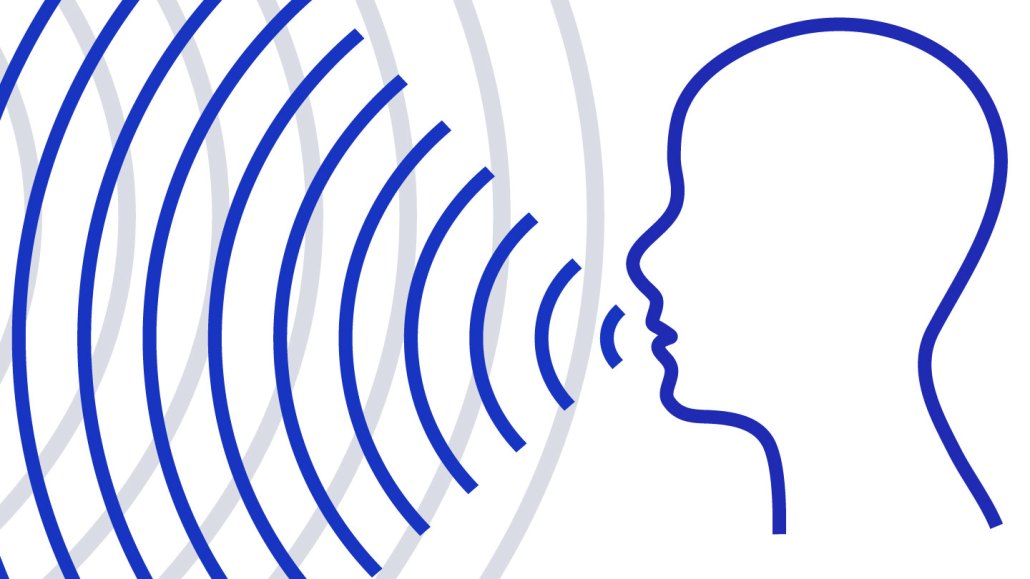
When humans echolocate, they send out a sound, typically a click (dark blue) and listen for the return echo (light gray). Expert echolocators can build a picture of their surroundings from only two sets of clicks and echoes.
T. Tibbitts
This is a human-written story voiced by AI. Got feedback? Take our survey . (See our AI policy here .)