
All Stories by Tina Hesman Saey
- Animals
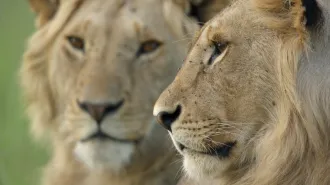
A new documentary shows what growing up lion is really like
The thrilling National Geographic series, premiering August 19, follows Kio from lion cub to king.
- Health & Medicine
What Spider-Man gets right — and wrong — about turning off superpowers
In 'Spider-Man: Brand New Day,' Peter Parker devises a superpower inhibitor based on a real therapy using RNA.
- Archaeology
Pompeii’s survivors shine in a new documentary series
Hosted by actor Tom Hiddleston, Pompeii: Out of Time mixes facts and fiction to bring three real ancient Romans to life.
- Tech
No, SpudCells aren’t alive. But they’re a step toward the first synthetic life
The lab-made cells open a window into what’s possible for synthetic life, researchers say.
- Science & Society
Here’s what happens when you put politicians in charge of science
Proposed federal rules would rely on political appointees to decide how a lot of U.S. science gets done. History shows the consequences of such actions.
- Microbes
This microbe turns into a cannibalistic ‘Hulk’
Euplotes gigatrox’s shape-shifting may reveal how early life learned to act in surprisingly complex ways.
- Health & Medicine
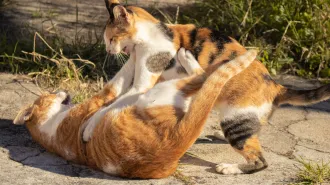
A deadly fungus that can infect cats and people is spreading
It’s just a matter of time before Sporothrix brasiliensis reaches the U.S. a CDC expert says.
- Health & Medicine
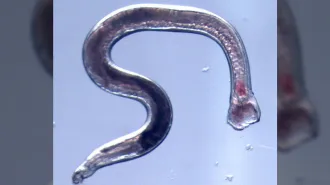
Engineered hookworms could one day dispense drugs from inside your gut
In a first, researchers genetically modified hookworms. It’s a step toward turning the parasites into living pharmacies.
- Health & Medicine
Why is hantavirus so deadly? It’s not what you may think
Andes hantavirus causes deadly lung failure, but its method of attack differs from other respiratory illnesses. The details might inform future treatments.
- Health & Medicine
Hantavirus questions grow in the wake of a cruise ship outbreak
Scientists still don’t know why Andes hantavirus is the only one shown to spread from person to person.
- Health & Medicine
What to know about a rare hantavirus outbreak at sea
Public health officials are racing to find out how the sometimes deadly hantavirus got aboard a cruise ship and if there has been human-to-human spread.
- Life
Cows’ methane burps may be fueled by a newfound organelle in gut microbes
In cows’ guts, ciliates contain a tiny organelle called a hydrogenobody that may drive production of methane, a potent greenhouse gas.