Gut checking a gum claim
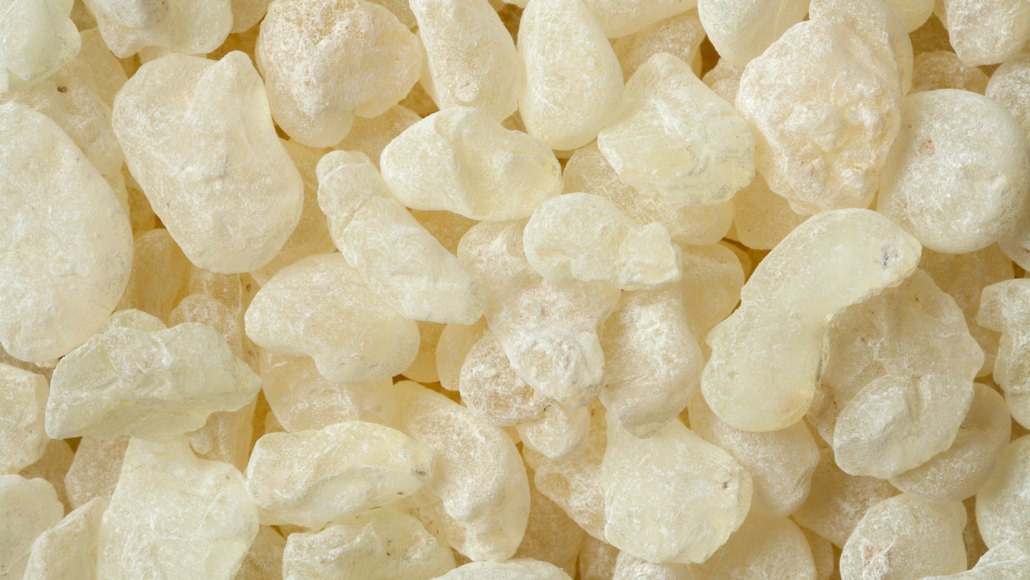
Mastic-based chewing gum may have some benefit to breath and microbiome, but it won’t change the way you look.
PicturePartners/iStock/Getty Images Plus
By Susanna Camp
By now, you’ve surely heard of looksmaxxing, the appearance-obsessed online trend, but what about mewing? Named for largely discredited London-area orthodontists John and Mike Mew, the movement attracts devotees obsessed with achieving a chiseled jawline. The duo’s approach often involves exercises or chewing mastic gum, a resin from a tree traditionally found on the Greek island of Chios. While social media influencers and marketers suggest these habits provide a resistance-training workout and a quick path to a more defined facial structure, the science tells a different story. Mastic gum won’t turn your jaw into granite, but it does have legitimate utility. It’s an antibacterial agent for oral health. Tyler Santora faces the facts for SN.
🏛️ Ancient wisdom or myth?
The Greeks have masticated mastic since antiquity. The resin contains natural compounds that may have health benefits. Studies of people who consumed concentrated versions of molecules from the mastic tree suggest that these compounds can target Helicobacter pylori, the bacteria responsible for many gastric ulcers. Chewing mastic itself can help maintain oral hygiene by reducing plaque and inhibiting the growth of bacteria that are harmful or cause bad breath. While the ancient Greeks used mastic for stomach upset (looking at you, Hippocrates), modern studies are beginning to validate its traditional applications, even if it lacks the power to reengineer your facial bones.
🥴 Jaw-dropping risks
Specialists have debunked the aesthetic promises surrounding mastic. Notably, the aforementioned Mews were banned from dentistry and orthodontics in the United Kingdom. In recent years, dentists have seen a rise in patients suffering from temporomandibular joint (TMJ) disorders, chronic headaches and teeth grinding linked to the obsessive chewing of mastic resin. Beyond the physical strain, there is little to no clinical evidence that chewing can alter jaw bone structure.
🩺 The pivot from face to smile
With a $730 million market size, the mastic gum market isn’t a huge cash cow. And, scientific evidence notwithstanding, we’ve learned never to underestimate the power of vanity to drive a trend. A handful of supplement and fitness companies have used aspirational branding, like Jawliner and Rockjaw, to market gum and exercise regimens to the looksmaxxing crowd.
Based on the science, there could be a growth opportunity in a strategic pivot. Companies that currently market mastic gum for jawline definition may choose to rebrand toward the oral health benefits, to lower the chance of regulatory scrutiny or dental lawsuits.
Still other companies are selling mastic sans jawline claims. Among them:
- iHerb, an online supplement dealer, sells mastic gum as capsules (not in gum form) with multiple different product lines, including their in-house brand, California Gold Nutrition. iHerb reported $2.9 billion in net sales in 2025.
- Elma Mastic is produced and managed by the Chios Mastiha Growers Association, an agricultural cooperative. They lean into the culinary and oral health aspects of the product, which is available in powdered and oil formats (and as a gum), alongside recipes and research. The group reports an estimated annual revenue of $7.3 million.
For the benefits of mastic gum, look beyond the mirror to the medicine cabinet.
Disclaimer: The Science News Investors Lab newsletter is for informational purposes only and does not constitute investment advice. Society for Science and Science News Media Group assumes no liability for any financial decisions or losses resulting from the use of the content in this newsletter. Society for Science and Science News Media Group do not receive payments from, and do not have any ownership or investment interest in, the companies mentioned in this newsletter. Please consult a qualified financial advisor before making any investment decisions.