Math on the menu: The flipped food pyramid
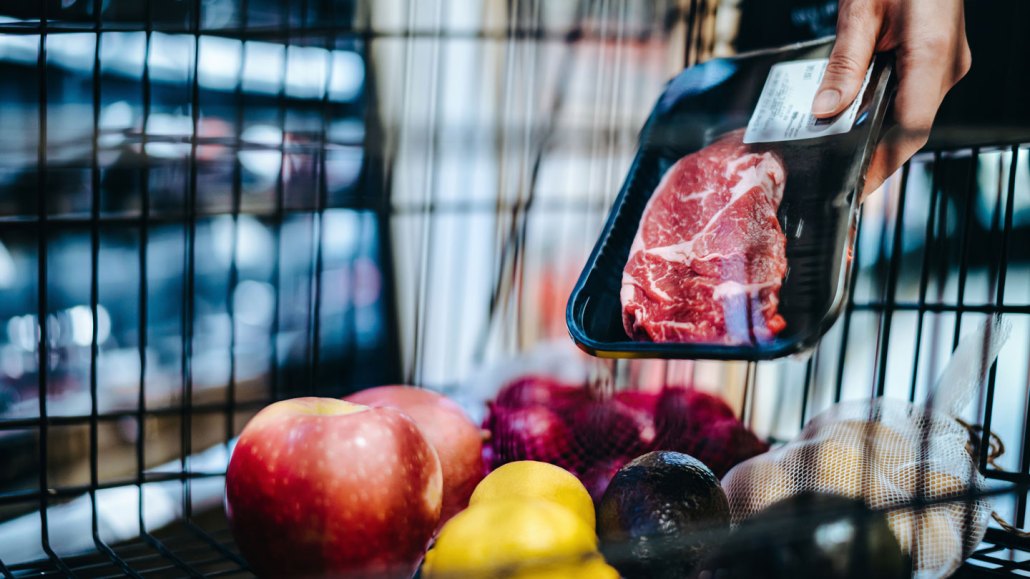
New dietary guidelines in the United States emphasize eating whole foods with priority given to proteins, such as meat and full-fat dairy products.
By Susanna Camp
Something tastes different this year. The United States government officially overhauled the Dietary Guidelines for Americans on January 7. There are some new foods on the menu, along with a revised mandate for the $2 trillion U.S. food and beverage industry. These guidelines determine everything from $30 billion in school lunches to the “healthy” labels on your favorite foods. Catch the full plate of updates from Science News’s Tina Hesman Saey.
🧀 What’s in, what’s out
The stated goal of the new guidelines (as depicted by an inverted pyramid) is a crackdown on empty calories and ultra-processed foods, with a new emphasis on minimally-processed “real food.” By lowering the recommended threshold for added sugars to no more than 10 grams per meal, the government is declaring war on the hidden sweeteners that have traditionally flavored processed foods. While recommendations about processed food and sugars square with science, other recommendations (like those about saturated fat) are muddled and contradictory, experts say. But as the government leans into meat, full-fat dairy and high-fiber, nutrient-dense foods, companies will scramble to reposition their brands for consumers and to achieve regulatory compliance.
∑ Math on the menu
The guidelines are a roadmap for existing industry giants to overhaul their offerings and for the next generation of healthy brands to find a spot on the shelf. We are seeing a shift in capital away from “diet” versions of junk food and toward foods that naturally meet these new standards. One of the biggest changes is that recommended daily servings have changed, so percentages on food labels will need to be revised. There is a massive market opening for companies that can facilitate immediate upgrades to established practices.
🧑🍳 Recipe for the future
As the U.S. Department of Agriculture and Food and Drug Administration tighten nutritional guidelines, many manufacturers will need to outsource the complex math of compliance, ingredient tracing and certification to specialized tech firms.
- Label Insight: this company’s machine learning algorithm transforms unstructured information on food packaging into a vast database of product attributes to guide product innovation, trend tracking and packaging design for brands such as PepsiCo and Unilever. Label Insight was acquired by retail measurement platform NielsenIQ in May 2021 for an undisclosed amount, though later reports suggest the price tag was around $100 million.
- Trustwell: Many of the nutrition labels you see in the grocery store were likely generated using this company’s software. In addition to generating labels that comply with regulations, Trustwell’s tools also help food manufacturers with other tasks like monitoring supply chains and expediting recalls. The company was acquired earlier this month by private equity firm TPG. Estimated annual revenues are around $21 million.
- ReciPal is targeting direct-to-consumer (DTC) and startup food brands with their cloud-based platform. They help small- to mid-sized manufacturers create FDA-compliant labels without needing a full-time regulatory team. The company is privately owned and bootstrapped; they have not released public financial figures.
The bottom line: the food industry’s going to be making some bread.
Disclaimer: The Science News Investors Lab newsletter is for informational purposes only and does not constitute investment advice. Society for Science and Science News Media Group assumes no liability for any financial decisions or losses resulting from the use of the content in this newsletter. Society for Science and Science News Media Group do not receive payments from, and do not have any ownership or investment interest in, the companies mentioned in this newsletter. Please consult a qualified financial advisor before making any investment decisions.