Animals
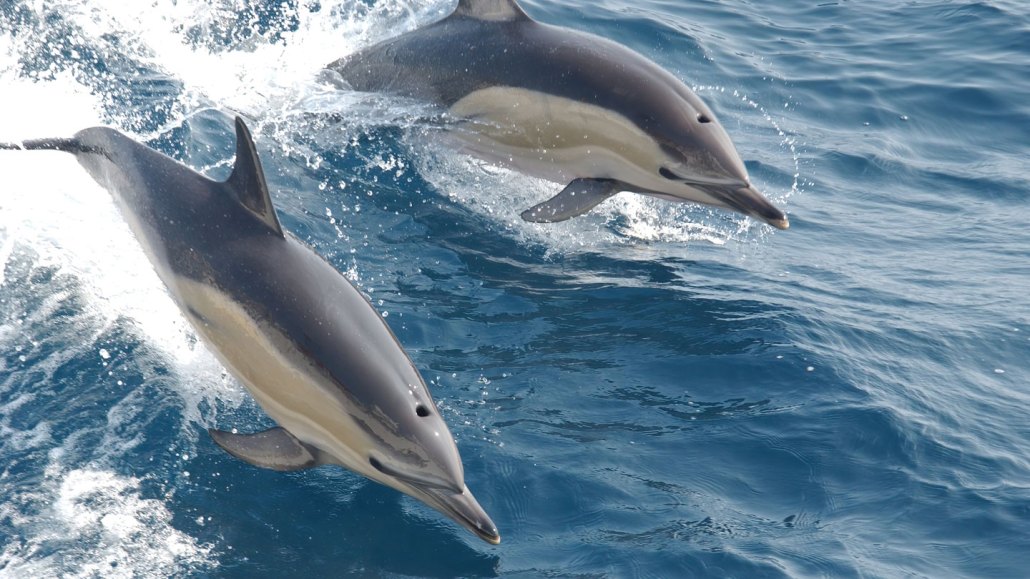
‘Forever chemicals’ could be aging dolphins beyond their years
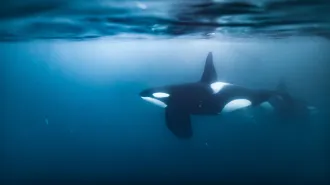
Common dolphins in New Zealand are biologically older than their calendar ages. Trace metals and “forever chemicals” may be to blame.
By Libby Riddle
We summarize the week's scientific breakthroughs every Thursday.
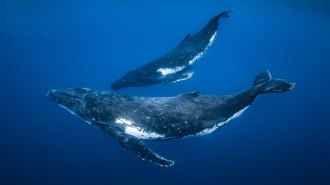
Scientists documented humpback whales hunting together at the seafloor, coordinating their arrival to scoop up sand lances.
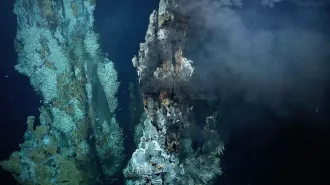
The finding shows how life spreads between isolated deep-sea vents — and how closely those ecosystems are tied to the sunlit ocean.
Atmospheric rivers bring heavy rain and floods, but if they don’t come around, it could mean drought. A new global map reveals little-known pathways.
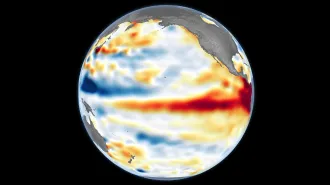
Marine cloud brightening could cool part of the Pacific and weaken extreme El Niños, simulations suggest. But the approach could have risks.
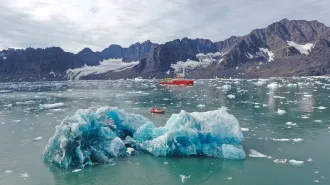
The ambitious expedition aims to fill data gaps about the glacier-sea boundary to predict when the world might tip into a catastrophic climate regime.
A whole-genome analysis of Beefalo, a hybrid bison-cattle breed, suggests very few individuals have any bison DNA at all, a new study reports.
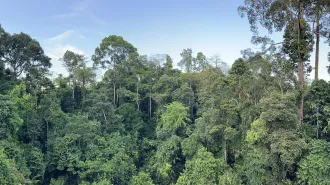
Samples collected at daring heights provide evidence for an untested theory of tree drought adaptation, while countering another.
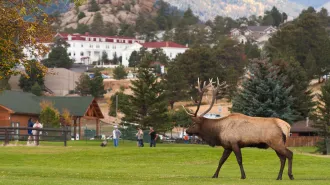
Analysis of 3,000 incidents in Canada reveals which animal–human activity combos are especially risky. Of note: Elk and campgrounds are a bad mix.
Iron and hydrogen peroxide trigger cell death via ferroptosis, which cascades killer molecules through the population, causing mass die-offs of algae.