All Stories
- Earth
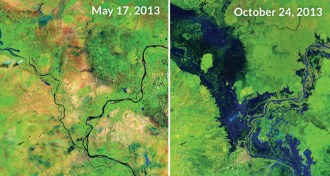
Eye in the sky
With its free Images of Change iPad app and online gallery, NASA makes the aerial perspective available to all, with results both stunning and disturbing.
- Animals
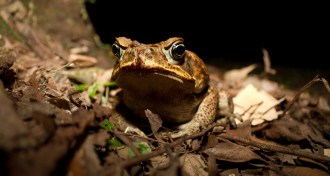
Cane toads can handle the cool
The invasive amphibians may be able to spread farther across Australia than previously thought.
- Animals
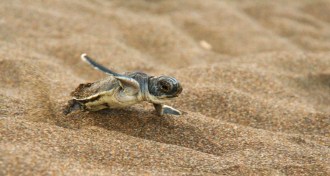
Fungi threaten sea turtle nests
The pathogens can kill up to 90 percent of eggs in a single nest.
- Genetics
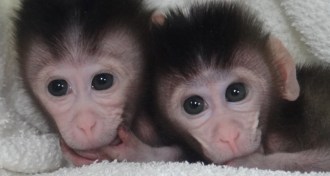
Monkeys born with edited genes
A DNA-snipping technique inspired by bacteria shows therapeutic promise.
- Astronomy
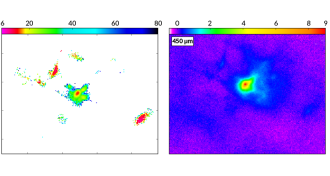
Some gas clouds refuse to collapse
A study of dust gives astronomers a sharper picture of cold gas.
- Health & Medicine
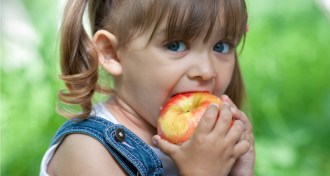
Should your kid eat organic? The answer is complicated
The science behind kids’ pesticide exposure is complicated and patchy.
- Neuroscience
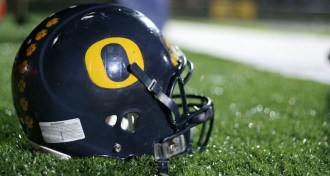
Football helmet redesign can reduce concussion risk
No helmet will ever eliminate the risk of sustaining a concussions during a football game. But tweaking the design may slow the speed of head movements after a hit and reduce the risk of brain trauma.
- Cosmology
Slow, cold start to universe suggested
By allowing particle masses to change, a new theory suggests how the universe could have arisen without a Big Bang.
- Animals
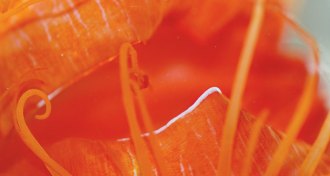
Disco clams put on a streak show
Scuba divers call Ctenoides ales the disco or electric clam because the restless, curling lips of its mantle flash bright streaks.
- Physics
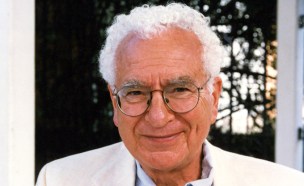
Quarks celebrate their 50th anniversary
In a 1997 interview with Context blogger Tom Siegfried, Murray Gell-Mann discussed the origin of the idea for the subatomic particles that he named quarks.
- Health & Medicine
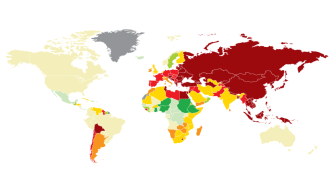
Smoking equality
A study of tobacco smoking patterns reports that more men than women smoke in every country except Sweden.
- Health & Medicine
Your baby knows who your real friends are
Infants are surprisingly good judges of who ought to be friendly to each other.