All Stories
- Quantum Physics
Tom’s Top 10 interpretations of quantum mechanics
Quantum mechanics has given birth to dozens of interpretations, which themselves need interpretations.
- Life
The fluid part of semen plays a seminal role
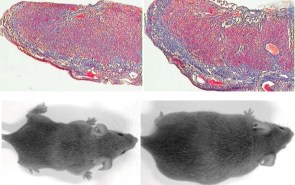
We often think of reproduction as involving only sperm and egg. But a new study highlights the seminal role of liquid semen in fertility and healthy offspring.
- Genetics
Chemical changes to genes make twins’ pain differ
Chemical changes to genes may make identical twins experience pain differently.
- Health & Medicine
Overcoming peanut allergy requires maintenance for most
In small study, nearly all people who stopped eating the legumes daily later experienced an allergic reaction.
- Life
Mosquito sperm may sense smells
Mosquitoes’ sperm may have chemical sensors that detect odors similar to the way the insect’s antennae sort smells.
- Particle Physics
Single-pole magnet emerges in frozen concoction
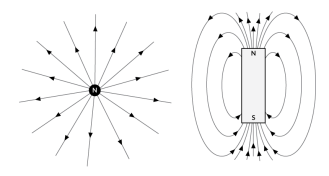
An experiment has simulated the long-sought magnetic particle.
- Paleontology
Rivers of rock and gas froze ancient animals in time
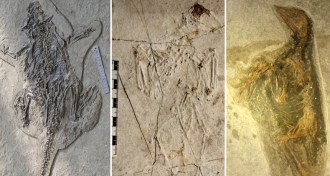
Ancient Chinese fossil beds were preserved by high-speed rivers of volcanic rock and gas.
- Humans
DNA suggests humans moved back into Africa
About 3,000 years ago, human populations from western Eurasia migrated back into eastern Africa, specifically Ethiopia.
- Planetary Science
Mars ‘air’ found thinner
Readers get an update on the Red Planet's atmosphere and how new probes land there with parachutes.
- Genetics
Bacteria can be genetically tricked into self-destructing
Manipulating microbes’ defenses could lead to targeted antibiotics.
- Materials Science
Bone inspires strong, lightweight material
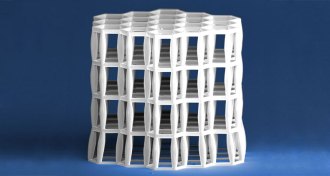
Tiny synthetic structures modeled after bone are as sturdy as metal.
- Earth
Eye in the sky
With its free Images of Change iPad app and online gallery, NASA makes the aerial perspective available to all, with results both stunning and disturbing.