Robots to the rescue: saving krill from plastic
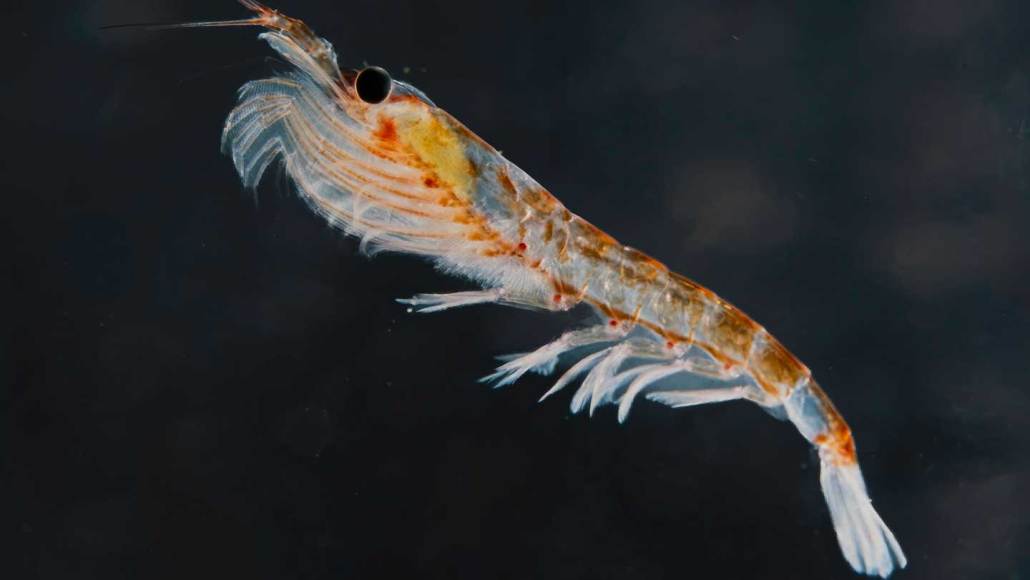
Tiny Antarctic krill (shown) are powerhouse carbon-sequesterers. In addition to their profuse poop, the krill eject compact masses of leftover food to sink to the seafloor.
Gerald Corsi / Getty Images
By Susanna Camp
The ocean’s tiniest crustaceans just delivered a giant warning. According to a recent report, microplastics are affecting how Antarctic krill eat, permanently altering the marine food web. Science News’s Carolyn Gramling reports on this unsettling finding and its impact on ocean health.
🤮 Nature’s failed filter
Krill (Euphausia superba), the tiny shrimp-like creatures that make up the foundation of the Antarctic food chain, absorb a lot of plastics from their environment (just like the rest of us). Scientists knew that these small crustaceans readily ingest microplastics, but here’s the unsettling part: once they’ve eaten this unhealthy food they tend to expel what they’re eating from their mouths. This worries scientists because the krill might be regurgitating food even when they’re still hungry, potentially affecting krill populations for the food chain. What’s more, the plastic in this rejected meal is being chopped up into even smaller pieces, which may trigger health problems in sea life. This potential plastic puke time bomb could dramatically increase the complexity and cost of remediation.
📈 Algorithmic tides are rising
Increasing public awareness of the crisis of plastic in the ocean is bringing sophisticated, long-term monitoring and autonomous intervention to existing cleanup efforts. Biodegradable materials and AI tools for robotics are inspiring scalable research methodologies powered by autonomous surface vessels and underwater remotely operated vehicles . Recent large-scale projects include using vision systems to identify plastic types, mapping ecosystem health in real time and collecting data on water quality. This convergence of deep learning, sustainable engineering and marine hardware is also attracting funding.
🤖 Robotic remediation
Here are a few innovative engineering companies doing deep dives into the issues:
- RanMarine Technology in the Netherlands is focused on using autonomous surface vehicles, such as their WasteShark robots, to remove plastic, algae, waste and oil from harbors and rivers. They’ve secured over $2 million in grants and early-stage funding.
- Clearbot, based in Hong Kong, also uses autonomous electric robots to target marine trash while avoiding marine life, with help from an AI algorithm. Their 2022 seed round valued the company at $4 million, and attracted undisclosed funding from the Alibaba Entrepreneurs Fund and others.
- The Ocean Cleanup, also based in the Netherlands, is a nonprofit research and advocacy organization working to clean pollution from marine garbage patches and coastal ecosystems. They’ve raised over $33 million in grants and crowdfunding.
Let’s wipe out plastic pollution, one krill at a time.
Disclaimer: The Science News Investors Lab newsletter is for informational purposes only and does not constitute investment advice. Society for Science and Science News Media Group assumes no liability for any financial decisions or losses resulting from the use of the content in this newsletter. Society for Science and Science News Media Group do not receive payments from, and do not have any ownership or investment interest in, the companies mentioned in this newsletter. Please consult a qualified financial advisor before making any investment decisions.