The billion-dollar bite: Lyme vaccines hit the market
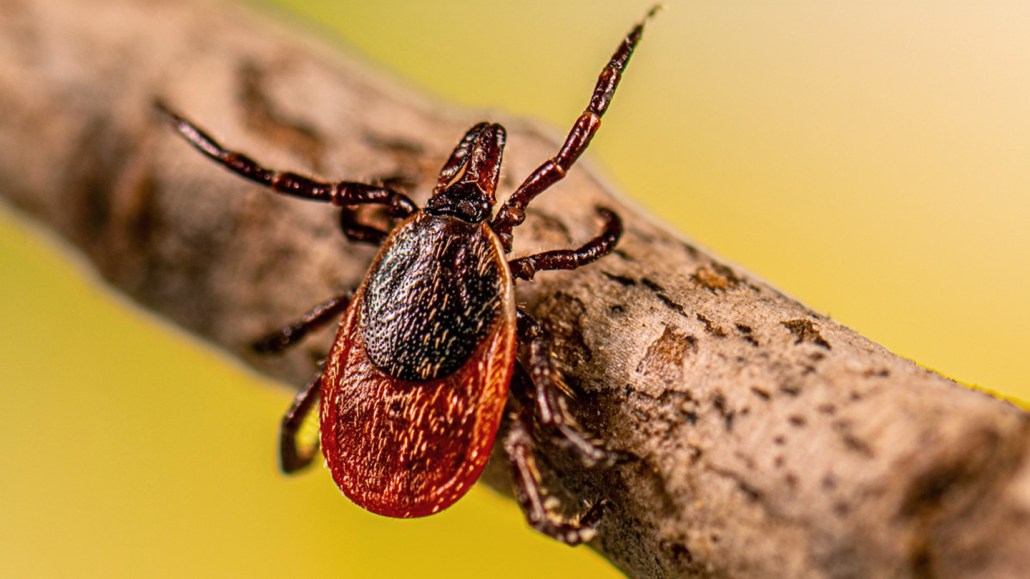
By Susanna Camp
Since its identification 50 years ago, Lyme disease has continued to spread, a seasonal hazard that has turned a simple walk in the woods into a high-stakes game of biological roulette. The traditional defenses — including DEET and post-hike tick checks — are a failing strategy as climate change contributes to expanding vector ranges. So it’s welcome news that a solution is finally emerging from the lab: a vaccine that aims to prevent Lyme from the get-go, rather than just treating the infection after the fact. Science News’s Erin Garcia de Jesús explains what makes this science tick.
⛔️ Neutralizing the threat vector
Once you get bitten, it’s unlikely you’ll be able to avoid a lengthy course of antibiotics at best, so scientists have long sought to address the problem of Lyme with a vaccine. The new experimental formula developed by the pharma giant Pfizer in collaboration with specialty vaccine maker Valneva — known as LB6V — teaches the body to fend off OspA protein, the surface coat the bacteria wears while still inside the tick. This is the same target used by an earlier vaccine, LYMErix, which was withdrawn from the market in 2002.