6,913 results
6,913 results for: Bears
- Microbes
Ancient bacteria could persist beneath Mars’ surface
Radiation-tolerant microbes might be able to survive beneath Mars’ surface for hundreds of millions of years, a new study suggests.
- Humans
The world population has now reached 8 billion
In a first, the global population surpassed this milestone on November 15, according to a projection from the United Nations.
- Animals
A new book asks: What makes humans call some animals pests?
In an interview with Science News, science journalist Bethany Brookshire discusses her new book, Pests, and why humans vilify certain animals.
- Earth
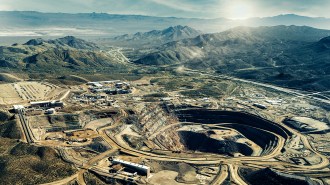
Rare earth mining may be key to our renewable energy future. But at what cost?
We take you inside Mountain Pass, the only rare earth mine in the United States.
- Paleontology
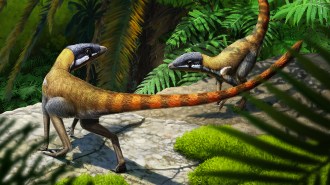
Pterosaurs may have evolved from tiny, fast-running reptiles
A mysterious little ground-dwelling reptile unearthed in a Scottish sandstone over 100 years ago turns out to be part of a famous flying family.
- Genetics
Black Death immunity came at a cost to modern-day health
A genetic variant that boosts Crohn’s disease risk may have helped people survive the 14th century bubonic plague known as the Black Death.
- Paleontology
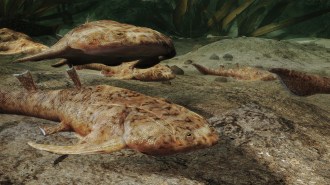
Ancient fish fossils highlight the strangeness of our vertebrate ancestors
New fossils are revealing the earliest jawed vertebrates — a group that encompasses 99 percent of all living vertebrates on Earth, including humans.
- Paleontology
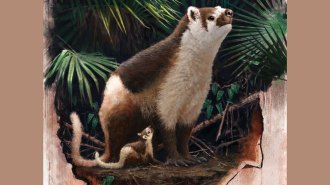
Living fast may have helped mammals like ‘ManBearPig’ dominate
Staying in the womb for a while but being born ready to rock may have helped post-dinosaur mammals take over the planet.
-
- Health & Medicine
How living in a pandemic distorts our sense of time
The pandemic has distorted people’s perception of time. That could have implications for collective well-being.
- Ecosystems
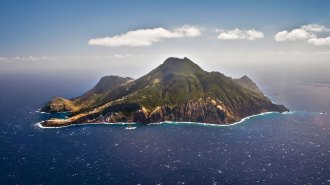
A Caribbean island gets everyone involved in protecting beloved species
Scientists on Saba are introducing island residents to conservation of Caribbean orchids, red-billed tropicbirds and urchins.
- Ecosystems
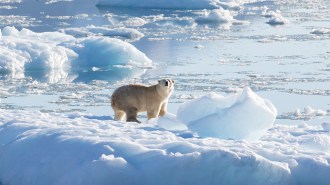
Some polar bears in Greenland survive on surprisingly little sea ice
“Glacial mélange” could provide a last refuge for some bears as the Earth warms, but climate action is needed to preserve the species, researchers say.