Meet Swiftiephylus, an Australian bug named after Taylor Swift
The discovery fills a “Blank Space” in researchers’ knowledge of the bugs in Australia
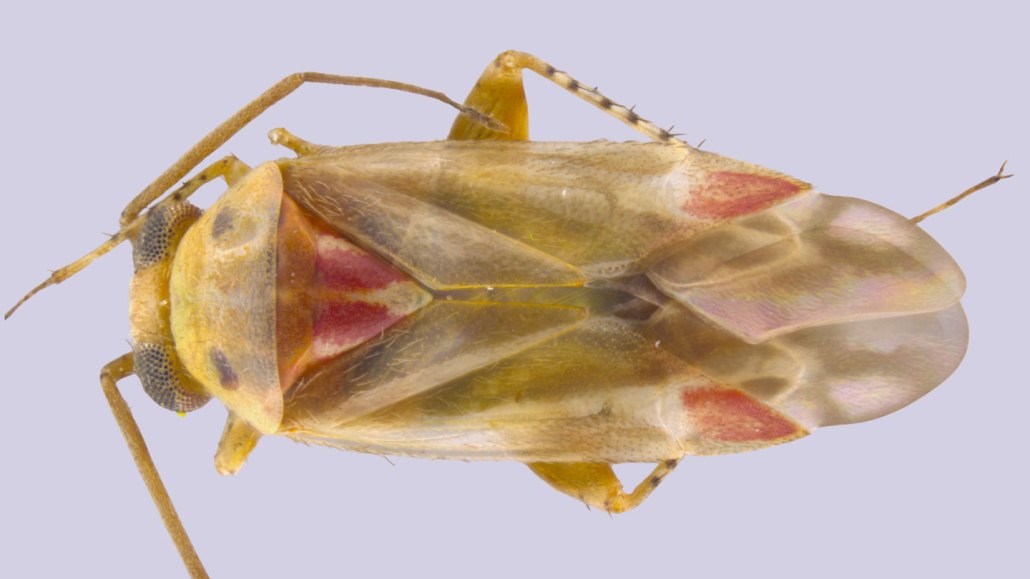
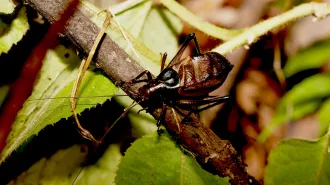
Swiftiephylus taylorae (shown) is one of four newly described plant bug species named after influential singer-songwriter Taylor Swift.
Sarah Schroeder
If you’re down under and you give the right tree a rustle, you might encounter a record-breaking, globally recognized music icon. Or at least a bug named after her.
Meet Swiftiephylus, a newly described group of Australian insects. The big-eyed bugs — each smaller than a lentil — honor Taylor Swift in recognition of her “show-stopping talent, heart-wrenching lyrics, and the joy and comfort she has brought to many,” researchers report September 9 in Insect Systematics & Evolution.
There are some 10,000 species of herbivorous plant bugs found all over the world, but little was known about their diversity in Australia. In the early 2000s, a group of researchers including entomologist Christiane Weirauch at the University of California, Riverside, began to collect and describe these bugs. In 2022, when entomologist Sarah Schroeder began her PhD work with Weirauch, some of these mystery bugs became a part of her project.
“I was really excited,” Schroeder says. “It’s a dream thing for a scientist to get to describe new species.”
Schroeder and Weirauch studied the flower-eating plant bugs found in she-oak trees in Australia. By comparing their physical shapes, colors and genes to known species, the researchers found 12 new species. These were organized into five genera. One of these groups — Swiftiephylus — sports a name with special meaning to Schroeder.
“I’ve been a lifelong Swiftie,” Schroeder says. “Taylor’s music has underscored so many of the major milestones of my life, so it felt authentic to me to honor her by naming these species after her and giving her a gift back for all of her music.”
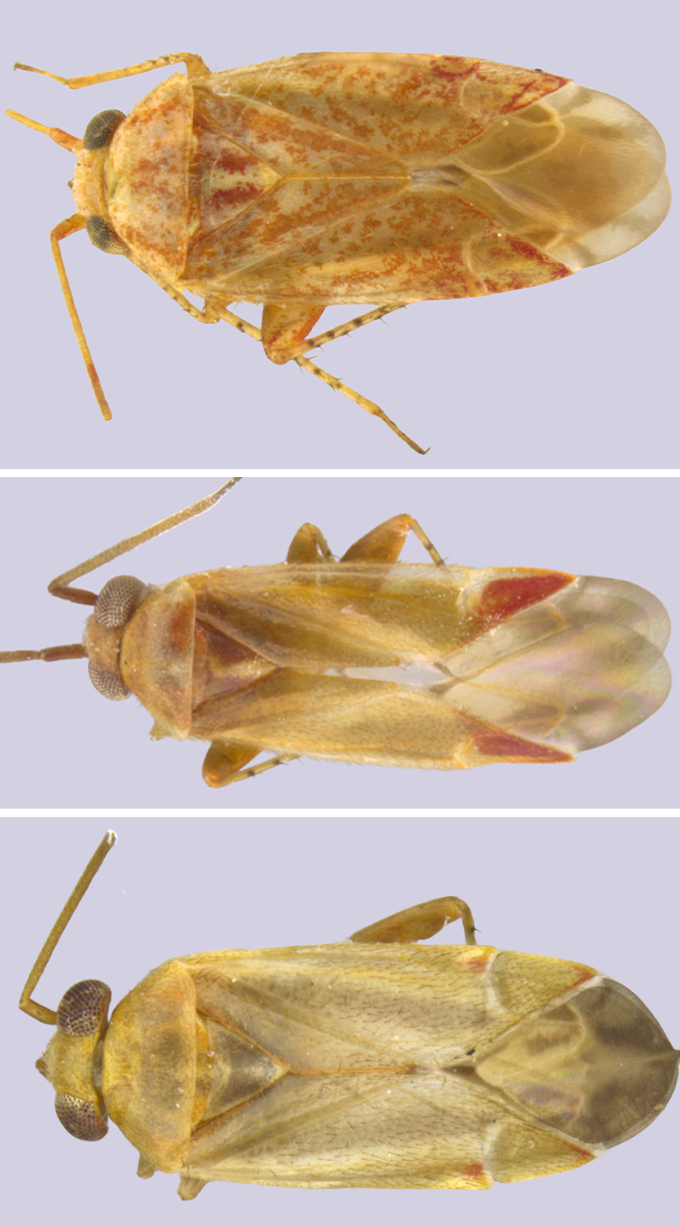
Schoeder picked the four species to bear Swift’s name because of their uniquely yellow colors punctuated with red accents.
“Taylor’s pretty well known for having her red lip,” Schroeder says. “And the fans affectionately call her Blondie.”
Beyond the more obviously named S. taylorae, Schroeder gave the other three species Latin translations of some of Swift’s album names. S. amator is for Lover, S. intrepidus is for Fearless and S. poetorum references The Tortured Poet’s Department.
For Schroeder, this song isn’t finished. Swiftiephylus barely scratches the surface of what’s left to find among insect life. She notes that species description is crucial for conservation, since you can’t protect what you don’t know is there. With potentially millions of undescribed insect species still out there, it’s a conservation vulnerability researchers know “All Too Well”.