Climate
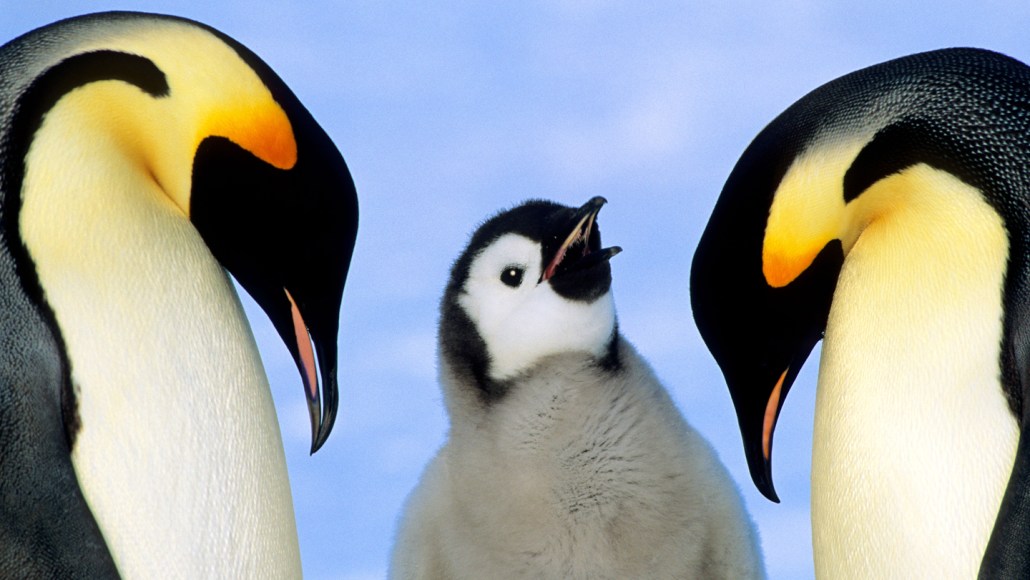
Emperor penguins are marching toward extinction. Antarctica fur seals too
Conservationists now list the penguins and seals as “Endangered.” Climate change in Antarctica has led to plunging populations.
We summarize the week's scientific breakthroughs every Thursday.
Ryan Gosling is on a mission to save the sun — and Earth — from star-killing microbes. Science News dissects the science behind the sci-fi movie.
Magnetic crystals provide the earliest evidence yet of the plate tectonics that likely made Earth habitable, pushing its start back by 140 million years.
Climate change is affecting microbes, and that has implications for all life on Earth.
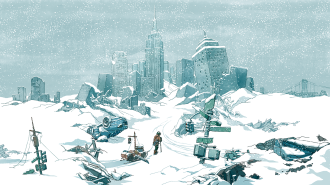
The Day After Tomorrow, Snowpiercer, Snowball Earth: Such end-of-days visions of a frozen Earth are fantastical … but can contain a snowflake of truth.
Satellite data show that U.S. cities have more nighttime cloud cover than nearby countryside, and building height and density help explain why.
Heat and humidity now severely limit light physical activity for millions of people around the world, with older adults facing the greatest burden.
People quickly normalize extreme weather. Simple visuals highlighting abrupt change could help climate change break through our mental blind spots.
Ultraviolet cameras captured faint electrical flashes from leaves and branches as storm charges built up in the atmosphere.
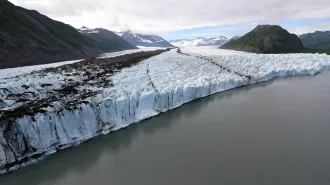
Alaska’s glacial lakes are growing as glaciers retreat out of basins. These lakes will change desolate glacial rivers into thriving salmon habitat.