Paleontology
Tyrant Lizard Queen offers a nuanced look at T. rex
Paleontologist Riley Black’s latest book explores how this misunderstood carnivore might have lived.
Paleontologist Riley Black’s latest book explores how this misunderstood carnivore might have lived.
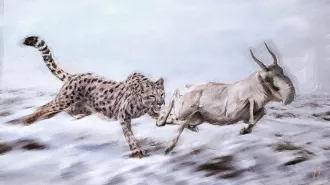
Ancient DNA confirms Miracinonyx trumani was more closely related to modern pumas than cheetahs and had a more varied diet than previously thought.
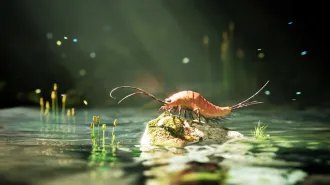
A many-legged oddball from long ago helps fill a major gap in the fossil record — and hints at how insects ended up with just six legs.
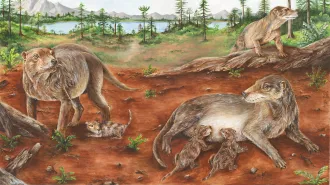
Growth rings on a fossil bone suggest at least one mammal ancestor gave birth to live young rather than laying eggs 236 million years ago.
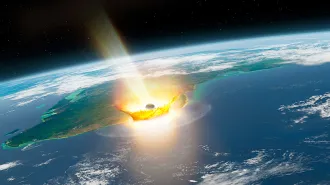
Within minutes of impact, debris began heating Earth’s atmosphere. Fine dust trapped that heat, potentially killing the dinosaurs quickly.
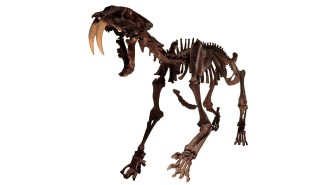
Remains pulled from the La Brea Tar Pits revealed deformed vertebrae and rare tumors, possible signs of inbreeding among now-extinct saber-toothed cats.
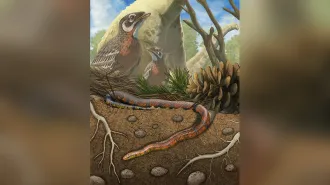
A new snake’s unique head anatomy suggests early snakes were even more diverse than thought. This one was a rare burrower.
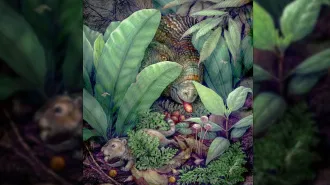
Scientists thought angiosperms didn’t use animals to spread seeds until after the Age of Dinosaurs. Fossilized fruits from these plants challenge this idea.
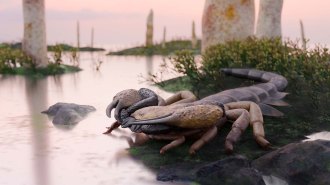
A prehistoric scorpion was the largest ever to exist, and it may have preyed on land and freshwater species.
A newly-described dinosaur, Jian changmaensis, may have glided through northwestern China about 120 million years ago, wreaking havoc on birds.