Particle Physics
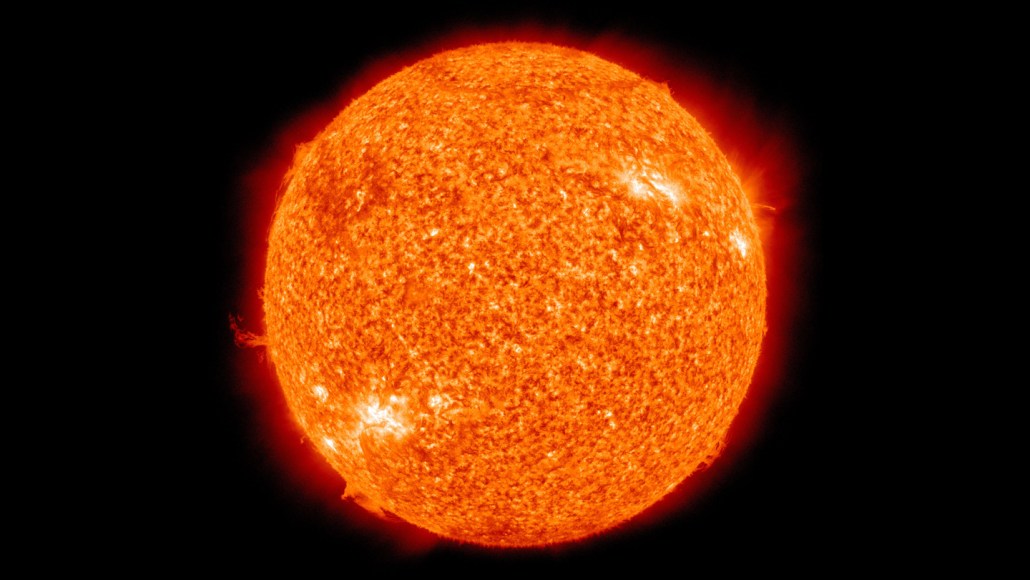
These neutrinos from the sun have the lowest energies ever seen
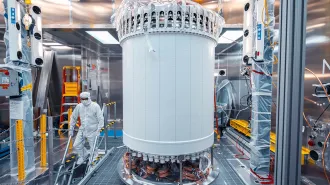
The XENONnT detector glimpsed the ethereal subatomic particles that are born from the main type of fusion reaction that powers the sun.
We summarize the week's scientific breakthroughs every Thursday.
Shadowy dark matter has eluded scientists for decades. The LZ experiment may have spotted one particle, called a WIMP, but more data is needed to check.
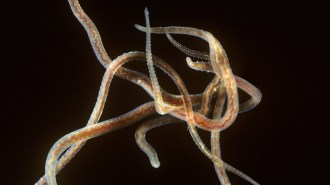
California blackworms can squeeze through narrow channels faster than they can wriggle across wide ones, a finding that may help with robot design.
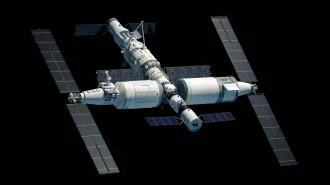
Rubidium atoms on China’s Tiangong space station fell with the same acceleration, upholding a cornerstone of Einstein’s general theory of relativity.
A study of 143 piercing tools, from tusks to love darts, finds they trade off piercing ability for durability. And no one shape wins out.
Scientists are largely clueless about the origins of static electricity. A quirky group of researchers aims to change that.
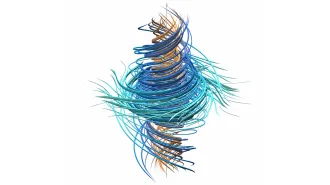
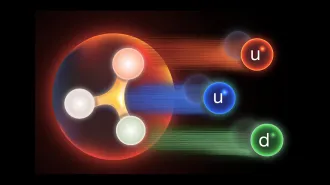
Gluons do more than hold protons together. They may also help define the proton’s identity through a quantum property called baryon number.
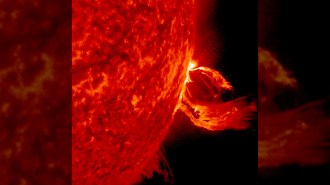
The sun frequently flings plasma into space, but sightings of such eruptions on other stars are rare. Magnetic fields could explain why.
There’s never been a good method to check for violations of the Outer Space Treaty’s prohibition of nuclear weapons in space.
A scientist, a jar of pickles and a power strip walk into a room. The punchline involves physics, glowing condiments and a scientific party trick.