Planetary Science
- Planetary Science
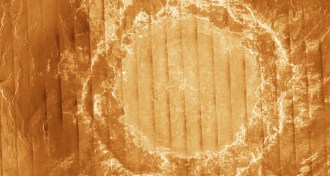
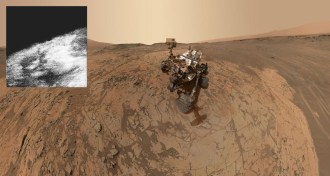
First craters on Mars spotted 50 years ago
Fifty years ago, Mariner 4 revealed that the Red Planet was peppered with craters. Now we know pockmarks are common on many other planets and moons, too.
- Planetary Science
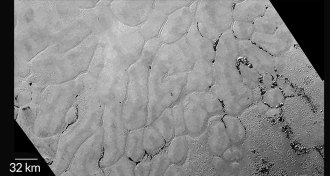
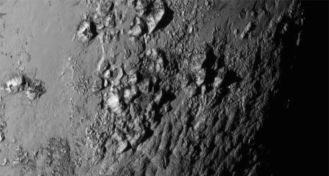
Latest dispatch from Pluto reveals frozen plains, icy hills and more
Polygon plains, windswept hydrocarbons, and more moons were tantalizing details revealed about Pluto in the latest data from New Horizons.
- Planetary Science
Mission to Pluto: Live coverage
The New Horizons spacecraft is scheduled to fly by Pluto on July 14. Check back often for frequent updates on the status of the mission, updates from mission control, and the latest images.
- Planetary Science
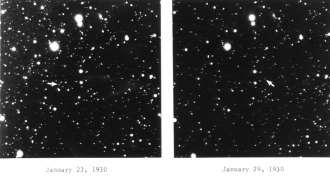
Pluto: A timeline of 85 years of discovery
Several observations in the last 85 years have given astronomers a little more information about Pluto, and the July 2015 flyby will offer the closest look yet at the solar system's far-flung satellite.
- Planetary Science
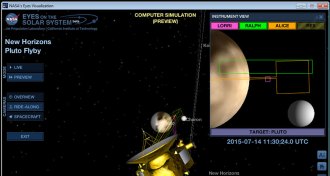
Get New Horizons’ views of Pluto
The “Eyes on Pluto” app lets you ride alongside New Horizons for a simulated preview of the spacecraft’s impending encounter with the dwarf planet.
- Planetary Science
Pluto is only a ‘day’ away
Just one Pluto-day to go until New Horizons tears past the dwarf planet and its moons.
- Planetary Science
New Horizons recovers from overload, is on track for Pluto flyby
New Horizons transmits the best pictures of Pluto to date shortly before the spacecraft went quiet over the weekend.
- Planetary Science
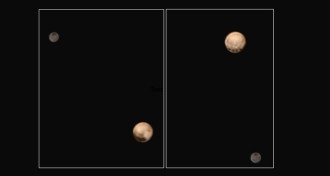
Pluto may have spots the size of Missouri
Dark spots emerge on the surface of Pluto in recent images from the New Horizons spacecraft.
- Physics
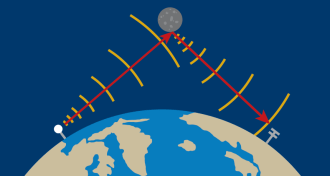
In retirement, Nobelist takes up moon bouncing
A lifelong amateur radio enthusiast, Joseph Taylor sends signals via the moon.
- Astronomy
Super-Earths are not a good place for plate tectonics
The intense pressures inside super-Earths make plate tectonics less likely, new research suggests.
- Planetary Science
50 years ago, Mariner 4 sent back first pictures from Mars
On July 14, 1965, Mariner 4 became the first spacecraft to fly by Mars. The probe also sent back the first pictures of another planet taken from space.
- Planetary Science
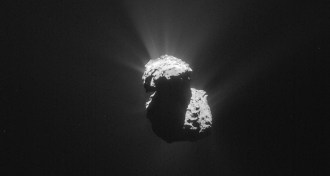
Rosetta mission extended until September 2016
The Rosetta spacecraft will explore comet 67P through September 2016 and then may go to sleep on the comet’s surface.