Uncategorized
- Astronomy
What do plants and animals do during an eclipse?
A citizen science experiment will gather the biggest dataset to date of animal responses to a total eclipse.
- Animals
Why midsize animals are the fastest
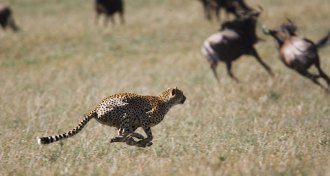
New analysis delves into the mystery of why medium-sized animals are speedier than bigger ones.
- Astronomy
What will scientists learn from the Great American Eclipse?
Between now and August 21, astronomy writer Lisa Grossman will explore the top questions scientists will tackle during the 2017 total solar eclipse.
- Astronomy
Why is this year’s solar eclipse such a big deal for scientists?
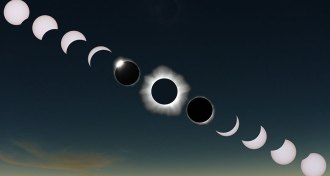
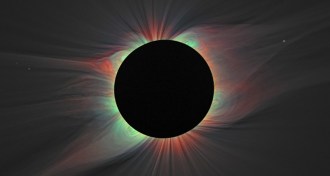
Total eclipses offer scientists a way to see all the way down to the sun’s surface.
- Climate
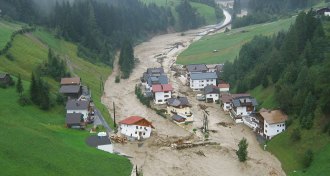
Climate change is shifting when Europe’s rivers flood
Data spanning 50 years shows that today, floods come days, weeks, even months earlier in some areas and later in others.
- Genetics
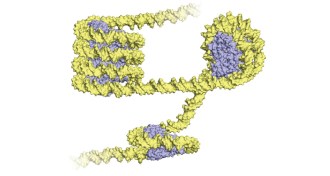
The first look at how archaea package their DNA reveals they’re a lot like us
Archaea microbes spool their DNA much like plants and animals do.
- Genetics
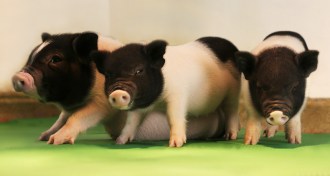
Gene editing creates virus-free piglets
Pigs engineered to lack infectious viruses may one day produce transplant organs.
- Materials Science
50 years ago, steel got stronger and stretchier
Today, scientists are still trying to improve steel.
- Planetary Science
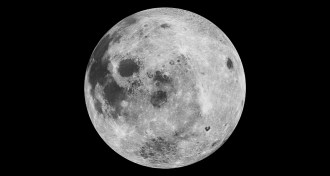
Moon had a magnetic field for at least a billion years longer than thought
The moon’s magnetic field could have lasted until about a billion years ago.
- Health & Medicine
More U.S. adults are drinking, and more heavily
Heavy drinking and alcohol use disorders have risen in the United States, at a cost to society’s health.
- Anthropology
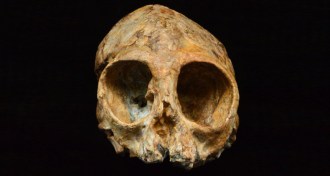
Infant ape’s tiny skull could have a big impact on ape evolution
Fossil comes from a lineage that had ties to the ancestor of modern apes and humans, researchers argue.
- Animals
A lot of life on planet Earth is awful and incredible
Acting Editor in Chief Elizabeth Quill discusses how the natural world feeds our sense of wonder.