Uncategorized
- Environment
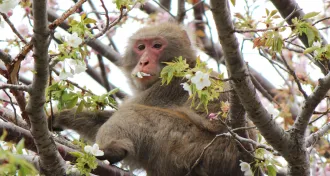
Wild monkeys near Fukushima have low blood cell counts
Primates near the ill-fated nuclear power plant may have been affected by radiation.
- Paleontology
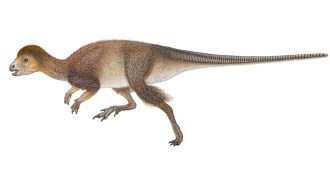
Feathered dinosaurs may have been the rule, not the exception
Newly discovered fossil suggests feathers may have been common among all dinosaur species.
- Materials Science
Weird materials could make faster computers
Topological insulators could speed up how computers switch between 1s and 0s.
- Ecosystems
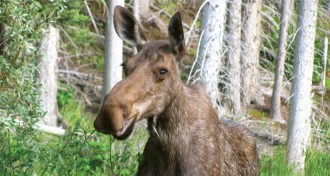
Moose drool can undermine grass defenses
Saliva from moose and reindeer sabotages plants’ chemical weaponry.
- Life
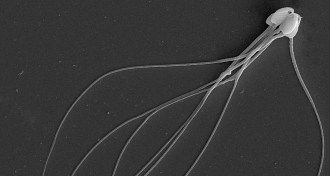
Mouse sperm parties make for straight swimmers
Mouse sperm hunt for eggs in packs, but grouping doesn’t boost speed. Instead, gangs of the reproductive cells move in straighter lines.
- Animals
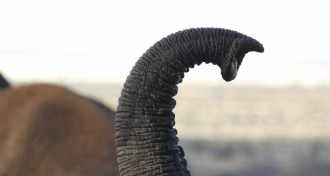
Elephant’s big nose wins most sensitive sniffer
A genetic survey reveals that African elephants harbor more smell sensors than any other known animal.
- Genetics
Hints about schizophrenia emerge from genetic study
From thousands of genomes, researchers pinpoint dozens of DNA changes that may underlie schizophrenia
- Animals
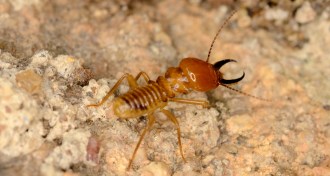
Termite soldiers locate battles with vibrational clues
To locate invasions, termite soldiers listen for millisecond-long delays in vibrational distress signals sent out by other soldiers.
- Health & Medicine
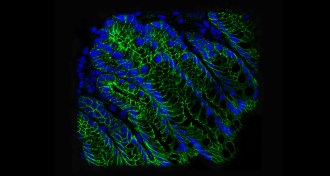
Carbs and gut microbes fuel colon cancer
Western nations experience high levels of colon cancer, and carbo-loading gut microbes might explain why, says a new study in mice.
- Earth
Sandstone structures form without cement
Lasting sandstone structures form when weighed-down sand locks into stable formations, researchers find in laboratory experiment.
- Planetary Science
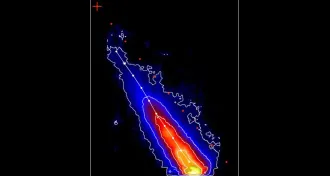
Comet ISON fell apart earlier than realized
Comet ISON disintegrated at least eight hours before it grazed the surface of the sun last fall, new observations show.
- Tech
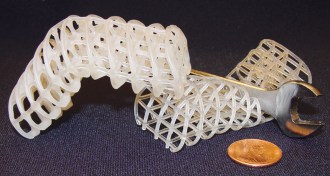
Wax-coated plastic morphs between soft and stiff
Heat-controlled materials could serve as skeleton for shape-shifting robots.