The silicon dietitian gets a gut check
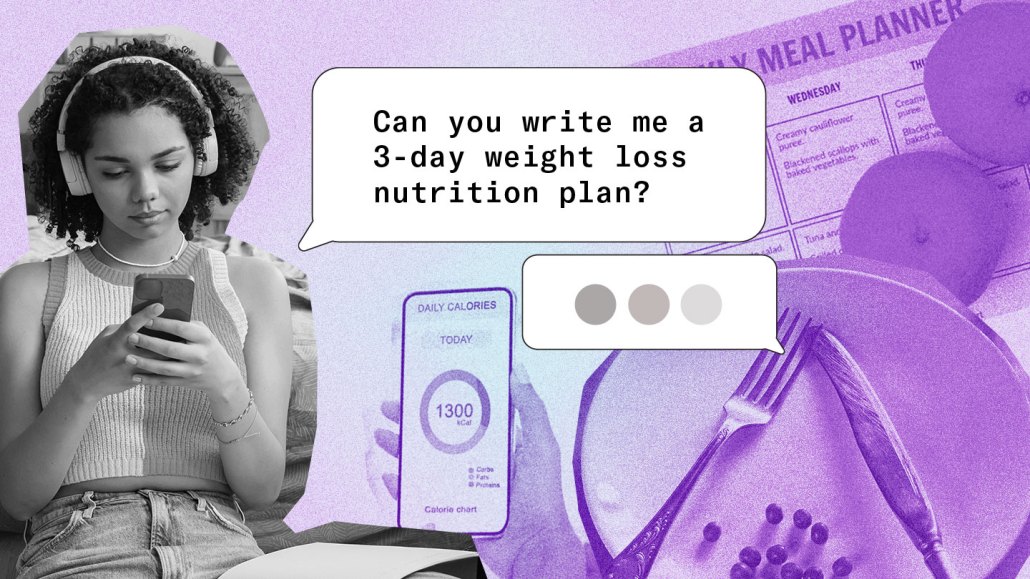
When prompted to create a meal plan for a teen trying to lose weight, chatbots fell short of nutritional requirements, a new study finds.
T. Tibbitts, Getty Images
By Susanna Camp
If there’s one thing we know about teens, it’s that they tend to shun parental advice. Another fact: they can be uncomfortable in their changing bodies, and are prone to body dysmorphia and unhealthy dieting habits — or worse, eating disorders. So it’s no surprise that this vulnerable population might turn to AI chatbots as discreet and impromptu diet coaches. A new study covered by Lily Burton for SN reveals that AI-generated nutritional plans may not be very good for them.
🧑⚕️ The silicon dietitian
Researchers at Istanbul Atlas University tested how adolescents might interact with AI-driven nutritional coaches. They devised a prompt requesting an eating plan for a 15-year-old. Across five different chatbots tested, the results were universally problematic, suggesting too few calories and carbohydrates, and too much fat and protein. Plans also omitted the kind of context a nutritionist would consider (such as health conditions, socioeconomic status or family dynamics). The study emphasizes that while AI is excellent at suggesting recipes and menus, it still lacks the nuanced understanding of eating disorders and growing bodies, making unsupervised use of the chatbots for this purpose unwise.
💵 Investing in moderation
The global weight management market is ballooning toward $300 billion, and the Gen Z demographic represents a target sector of lifetime customers that traditional diet programs are keen to capture. If the promises of AI can not only attract teenagers but also safely guide them to make healthier diet choices, this could have implications for preventative healthcare.
⚖️ Tech firms tipping the scale
These established players are already feeding off of the nutrition space, and touting their AI-enhanced product upgrades:
- Noom provides an integrated nutrition and health platform with a combination of human coaches and an AI chatbot to drive behavioral change. Noom has raised a total of $658 million, including a massive $540 million Series F led by Silver Lake. [On a side note, if you’re inclined to sample their free trial, make sure you’re aware of their allegedly misleading terms and conditions.]
- MyFitnessPal is a diet and exercise tracker that syncs with smart wearables. On February 4, 2015, MyFitnessPal was acquired by athletic apparel maker Under Armour in a deal worth $475 million. They have since been sold to Francisco Partners and recently acquired rival company Cal AI — notably, a new diet app developed by teens.
In the future of nutrition apps, AI will definitely have a seat at the table.st valuable data might just come from inside your drawers.
Disclaimer: The Science News Investors Lab newsletter is for informational purposes only and does not constitute investment advice. Society for Science and Science News Media Group assumes no liability for any financial decisions or losses resulting from the use of the content in this newsletter. Society for Science and Science News Media Group do not receive payments from, and do not have any ownership or investment interest in, the companies mentioned in this newsletter. Please consult a qualified financial advisor before making any investment decisions.