Search Results for: Vertebrates
Skip to results
1,560 results
1,560 results for: Vertebrates
- Animals
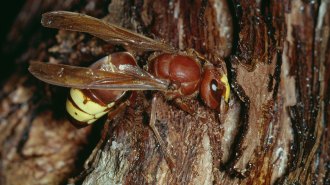
These hornets may be the alcohol-detox champs of the animal world
Vespa orientalis fed an 80-percent-ethanol brew still did hornet tasks and had normal life spans. This trick may be an adaptation to gut-dwelling yeast.
- Paleontology
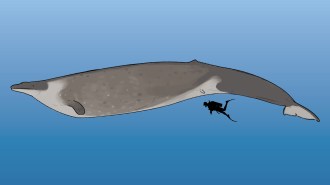
Some of Earth’s extinct giants may have been smaller than thought
Evolving techniques and data indicate some ancient giants like Dunkleosteus and Megalodon may have been smaller than initial estimates suggested.
- Neuroscience
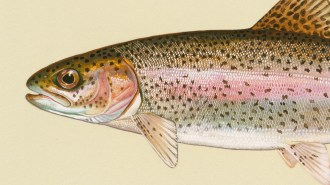
Some healthy fish have bacteria in their brains
Animals including mammals usually protect their brains from infiltrating microbes that can cause disease. But some fish seem to do just fine.
- Neuroscience
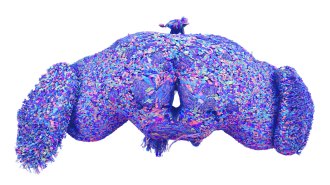
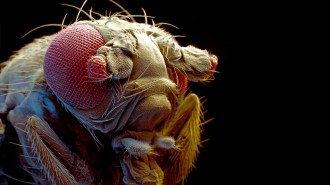
Scientists have traced all 54.5 million connections in a fruit fly’s brain
By tracing every single connection between nerve cells in a single fruit fly’s brain, scientists have created the “connectome,” a tool that could help reveal how brains work.
- Neuroscience
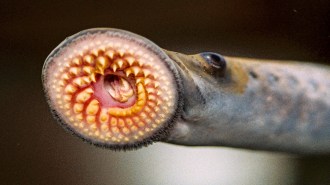
Lampreys have ‘fight or flight’ cells, challenging ideas about nervous system evolution
The discovery of sympathetic nervous system cells in lampreys draws a closer tie between the animal and complex vertebrates — such as humans.
- Animals
A frog’s story of surviving a fungal pandemic offers hope for other species
Evolving immunity to the Bd fungus and a reintroduction project saved a California frog. The key to rescuing other species might be in the frog’s genes.
- Animals
Can leeches leap? New video may help answer that debate
For some, it’s the stuff of nightmares. But a grad student’s serendipitous cell phone video might resolve a long-running debate over leech acrobatics.
- Life
The fruit fly revolutionized biology. Now it’s boosting science in Africa
African researchers are using Drosophila melanogaster fruit flies to advance studies of genetics, biomedicine, developmental biology, toxicology and more.
- Animals
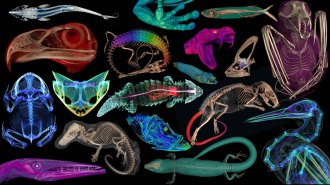
See 3-D models of animal anatomy from openVertebrate’s public collection
Over six years, researchers took CT scans of over 13,000 vertebrates to make museum collections more easily accessible to researchers and the public.
- Paleontology
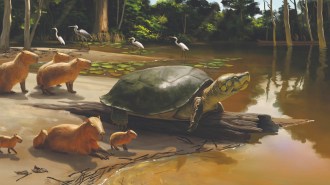
An extinct sofa-sized turtle may have lived alongside humans
Peltocephalus maturin was one of the biggest turtles ever, but unlike similarly sized prehistoric freshwater turtles, it lived thousands of years ago.
- Neuroscience
Ancient viruses helped speedy nerves evolve
A retrovirus embedded in the DNA of some vertebrates helps turn on production of a protein needed to insulate nerve cells, aiding speedy thoughts.
- Animals
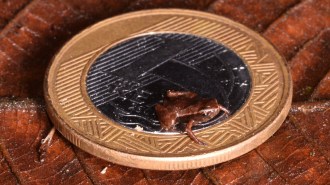
The Brazilian flea toad may be the world’s smallest vertebrate
Brazilian flea toads are neither a flea nor a toad, but they are almost flea-sized. The frogs are small enough to fit on a pinkie fingernail.