Animals
- Ecosystems
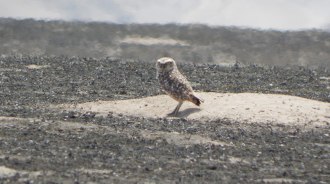
Burrowing birds create pockets of rich plant life in a desert landscape
Mounds of sand dug out by birds are hot spots for plants in Peru’s Atacama Desert, possibly providing a sheltered and moist area for seed germination.
- Life
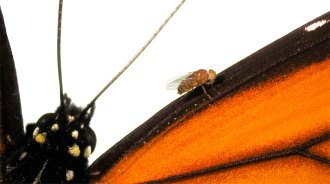
Gene editing can make fruit flies into ‘monarch flies’
Just three molecular changes can make fruit flies insensitive to milkweed toxins.
- Climate
Malin Pinsky seeks to explain how climate change alters ocean life
As global temperatures rise, Malin Pinsky’s research attempts to understand how marine ecosystems are changing and why.
- Genetics
Dog behaviors like aggression and fearfulness are linked to breed genetics
A study looking at how 101 dog breeds behave finds a strong association between genetics and 14 personality traits.
- Life
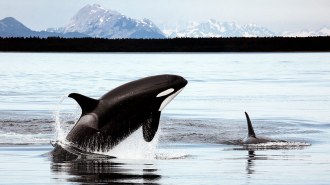
Losing genes may have helped whales’ ancestors adapt to life under the sea
Jettisoning genes tied to saliva and the lungs, among others, could have smoothed ancient cetaceans’ land-to-water transition 50 million years ago.
- Life
Cats may have ‘attachment styles’ that mirror people’s
In a new study, 65 percent of felines formed secure attachments with their owners. Like people, other cats were ambivalent or avoidant.
- Life
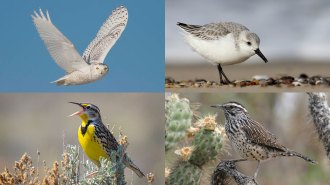
We’ve lost 3 billion birds since 1970 in North America
Scientists estimated the change in total number of individual birds since 1970. They found profound losses spread among rare and common birds alike.
- Life
Climate change may be throwing coral sex out of sync
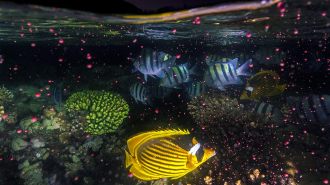
Several widespread corals in the Red Sea are flubbing cues to spawn en masse.
- Agriculture
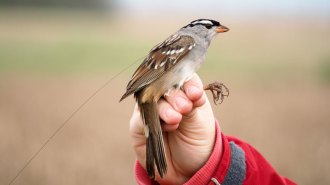
Birds fed a common pesticide lost weight rapidly and had migration delays
Scientists have previously implicated neonicotinoid pesticides in declining bee populations. Now a study suggests that songbirds are affected, too.
- Life
Human meddling has manipulated the shapes of different dog breeds’ brains
By analyzing the shape of different dog breeds’ brains, researchers show how humans have manipulated the animals’ brain anatomy.
- Life
Fly fossils might challenge the idea of ancient trilobites’ crystal eyes
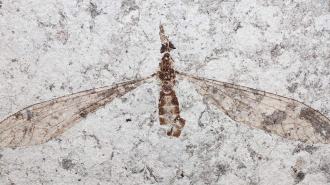
Fossilized crane flies from 54 million years ago probably got their crystal lenses after death.
- Life
50 years ago, scientists thought they knew why geckos had sticky feet
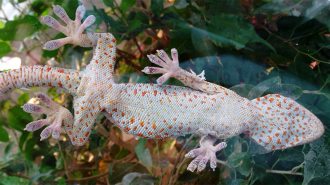
50 years ago, scientists thought gecko feet had suction cups that allowed the animals to stick to surfaces. Today we know tiny hairs do the job.