Ecosystems
- Ecosystems
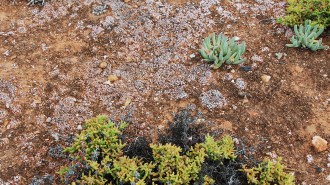
Biocrusts reduce global dust emissions by 60 percent
Lichens and other microbes construct biological soil crusts that concentrate nutrients and slash global dust emissions.
- Life
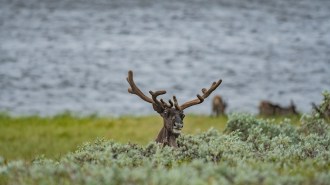
Caribou gut parasites indirectly create a greener tundra
Caribou merely sickened by parasites eat less vegetation, allowing plants to flourish.
- Agriculture
Oat and soy milks are planet friendly, but not as nutritious as cow milk
Plant-based milks are better for the environment, but nutrition-wise they fall behind cow milk.
- Animals
Why you should care about ‘The Insect Crisis’
A new book explains why insect populations are dwindling and why that’s a problem.
- Animals
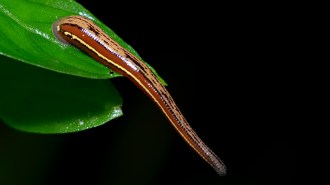
Leeches expose wildlife’s whereabouts and may aid conservation efforts
DNA from the blood meals of more than 30,000 leeches shows how animals use the protected Ailaoshan Nature Reserve in China.
- Science & Society
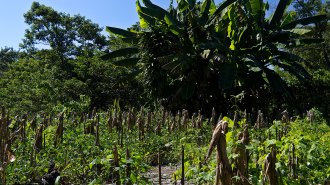
‘Fresh Banana Leaves’ shows how Western conservation has harmed Indigenous people
Author and environmental scientist Jessica Hernandez discusses Indigenous displacement, conservation’s failures and how to improve the field.
- Plants
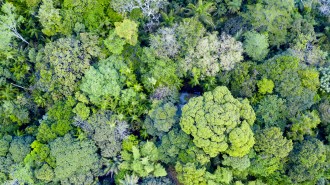
Earth may have 9,200 more tree species than previously thought
Estimating how many tree species are on Earth is an important step for forest conservation and protecting biodiversity.
- Animals
Gory footage confirms orca pods can kill adult blue whales
For the first time, three recorded events show that orcas do hunt and eat blue whales using coordinated attacks that have worked on other large whales.
- Animals
An Arctic hare traveled at least 388 kilometers in a record-breaking journey
An Arctic hare’s dash across northern Canada, the longest seen among hares and their relatives, is changing how scientists think about tundra ecology.
- Animals
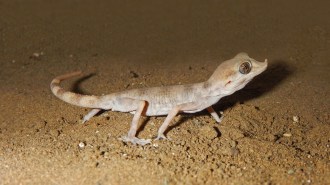
Here’s how spider geckos survive on Earth’s hottest landscape
An analysis of the stomach contents of Misonne’s spider geckos shows there are more critters in the heart of Iran’s Lut Desert than meets the eye.
- Life
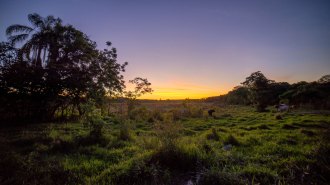
Cleared tropical forests can regain ground surprisingly fast
Tropical forests can re-establish themselves on abandoned agricultural lands faster than expected, scientists say.
- Animals
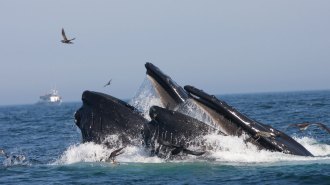
Baleen whales eat (and poop) a lot more than we realized
The sheer volume of food that some whales eat and then excrete suggests the animals shape ecosystems to a much larger degree than previously thought.