Ecosystems
- Ecosystems
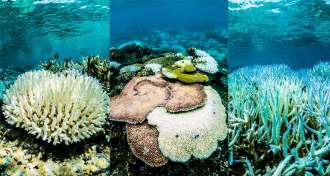
Heat may outpace corals’ ability to cope
Corals may soon lose their ability to withstand warming waters.
- Animals
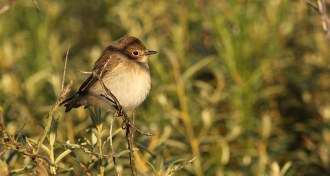
Pied flycatchers cruise nonstop for days to cross the Sahara
Teeny, tiny passerine birds called pied flycatchers fly day and night during their annual migration south across the Sahara.
- Animals
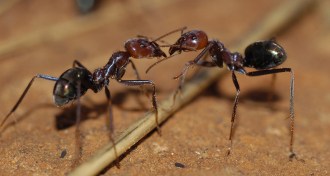
Ant antennae provide chemical ID
Ants use their antennae to identify nest-mates and potential invaders. But antennae also produce the key compounds that ants use to tell friend from foe.
- Animals
Ants’ antennae both send and receive chemical signals
Ants use their antennae to identify nest-mates and potential invaders. But antennae also produce the key compounds that ants use to tell friend from foe.
- Animals
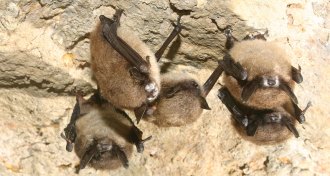
Lethal bat disease moves west
For the first time, the bat-killing white-nose syndrome shows up west of the Rockies.
- Animals
White-nose bat disease jumps the Rockies to Washington state
For the first time, the bat-killing white-nose syndrome shows up west of the Rockies.
- Animals
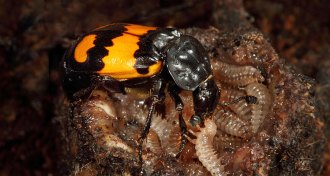
Female burying beetle uses chemical cue to douse love life
While raising their young, burying beetle mothers produce a chemical compound that limits their male partner’s desire to mate.
- Ecosystems
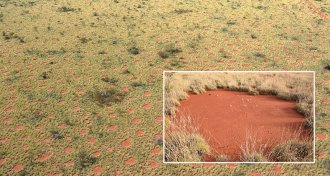
Australian fairy circles first to be found outside Africa
Strange patterns of grassland bald spots called fairy circles show up in Western Australia.
- Ecosystems
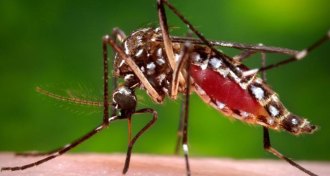
FDA predicts no significant environmental impact from GM mosquitoes
The FDA has taken a step in the process of deciding whether to allow the first test release in the United States of genetically modified mosquitoes to fight diseases such as Zika.
- Plants
How to keep seagrasses as happy as a clam
Drought can do more damage to seagrass meadows if their partnership with clams break down.
- Oceans
Swirls of plankton decorate the Arabian Sea
The dinoflagellate Noctiluca scintillans is taking over in the Arabian Sea, posing a potential threat to its ecosystem.
- Animals
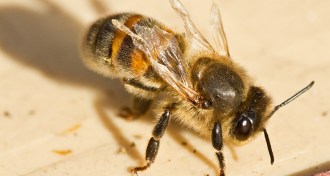
Mite-virus alliance could be bringing down honeybees
Parasitic mites and a virus have a mutually beneficial alliance while attacking honeybees.