Animals
‘Forever chemicals’ could be aging dolphins beyond their years
Common dolphins in New Zealand are biologically older than their calendar ages. Trace metals and “forever chemicals” may be to blame.
Common dolphins in New Zealand are biologically older than their calendar ages. Trace metals and “forever chemicals” may be to blame.
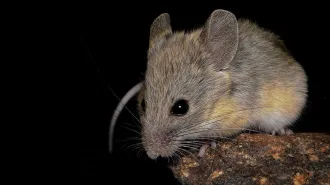
A boost to heat production and drawing in more oxygen may help Andean leaf-eared mice thrive at altitude.
A whole-genome analysis of Beefalo, a hybrid bison-cattle breed, suggests very few individuals have any bison DNA at all, a new study reports.
Newborn mice neurons can snap both DNA strands to migrate, then repair the breaks within a day. The process may be a normal part of brain development.
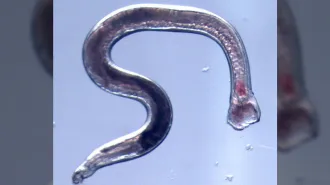
In a first, researchers genetically modified hookworms. It’s a step toward turning the parasites into living pharmacies.
The practice of freediving is teaching physiologists how humans stretch their physical and mental limits, which in turn may improve treatments for lung and heart ailments.
An analysis of ancient DNA and modern disease risk suggests some immune genes may reduce allergy risk rather than increase it.
In her debut book, science writer Roxanne Khamsi offers a new view of mutations that’s not limited to birth and death.
In a study, people with gene variants in two genes lost slightly more weight on GLP-1 drugs, but threw up more on Zepbound.
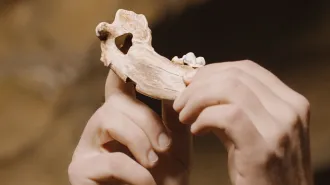
Two new studies suggest that genetically stable dogs were living among humans in Europe by about 14,000 years ago.