Microbes
- Life
‘The Amoeba in the Room’ uncloaks a hidden realm of tiny life
Mycologist Nicholas Money reveals the secret (and dramatic) lives of amoebas, bacteria, fungi and other often-overlooked microbes in The Amoeba in the Room: Lives of the Microbes.
- Oceans
Deepwater Horizon methane lingered longer than thought
Microbes may not have consumed methane from the 2010 Deepwater Horizon oil spill as fast as previously thought.
- Microbes
Viruses buoy life at hydrothermal vents
Using hijacked genes, deep-sea viruses help sulfur-eating bacteria generate power in the plumes of hydrothermal vents.
- Genetics
E. coli’s mutation rate linked to cells’ crosstalk
When E. coli cells are in smaller crowds, their genes mutate at an increased rate.
- Climate
Glacial microbes gobble methane
While some bacteria produce methane in Greenland’s melting ice sheet, others may consume the greenhouse gas as it escapes.
- Animals
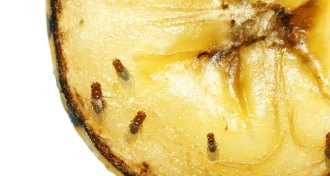
Scent of a fruit fly larva comes from its gut microbes
Microbes in the guts of fly larvae produce smells that attract fruit flies.
- Microbes
One giant leap for zit-causing microbes
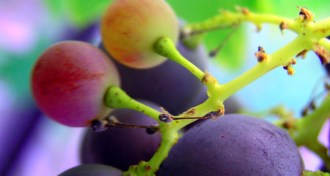
A bacterium that lives on humans and causes acne also hopped to domesticated grapevines and relies on the plant for crucial DNA repairs.
- Health & Medicine
Triclosan aids nasal invasions by staph
The antimicrobial compound triclosan, commonly found in soaps and toothpaste, may help Staphylococcus aureus stick around.
- Climate
Ocean bacteria may have shut off ancient global warming
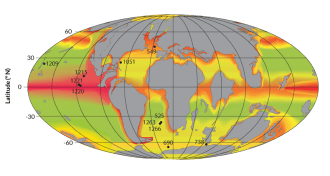
Ocean-dwelling bacteria may have helped end global warming 56 million years ago by gobbling up carbon from the CO2-laden atmosphere.
- Life
Amoebas’ munching may cause diarrheal disease
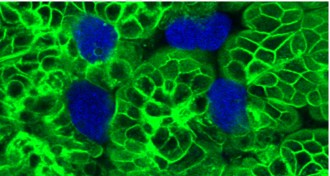
Amoebas biting and swallowing pieces of human cells may be what causes amebic dysentery, a potentially fatal diarrheal disease in the developing world.
-
- Paleontology
Microbes indicted in ancient mass extinction
About 252 million years ago an estimated 96 percent of all species were wiped from Earth, and now scientists have a new suspect in the killing — methane-belching microbes.