Psychology
- Humans
Cognitive scientist puts profanity in its place
Swearing provides unappreciated insights into human thought and language, a cognitive scientist argues in the new book What the F.
- Tech
Readers respond to terrorism’s roots
Readers respond to the July 9, 2016, issue of Science News with questions on terrorism, dog evolution and more.
- Science & Society
Empathy for animals is all about us
We extend our feelings to what we think animals are feeling. Often, we’re wrong. But anthropomorphizing isn’t about them. It’s about us.
- Psychology
Moral dilemma could put brakes on driverless cars
Driverless cars race into a moral conflict over saving passengers or pedestrians.
- Psychology
New studies explore why ordinary people turn terrorist
New studies are examining the "will to fight" in ISIS soldiers and their opponents.
- Neuroscience
Cocaine addicts can’t kick other habits either
Habitual users tend to get stuck in nondrug-related habits more easily, too, pointing to a potential strategy for treatment
- Psychology
Kids’ anxieties, depression need attention
Psychological troubles in childhood are no longer considered a part of normal development.
- Psychology
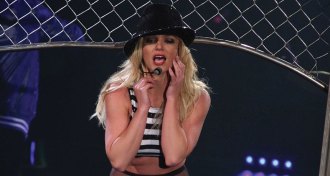
‘Vocal fry’ makes female singers seem expressive
Female singers who use vocal fry, the deep, creaky vocal effect made famous by pop stars like Britney Spears, may sound more expressive to listeners.
- Psychology
Marijuana use starting in youth implicated in financial woes
Long-term, heavy pot smoking linked to financial troubles by age 38.
- Science & Society
Pulling ‘Vaxxed’ still doesn’t retract vaccine misconceptions
The Tribeca Film Festival’s decision to cancel its screening of an antivaccination film has been lauded as a win for science, but irrationality already won.
- Psychology
Psychology’s replication crisis sparks new debate
Controversy flares again about whether psychology studies survive further scrutiny.
- Psychology
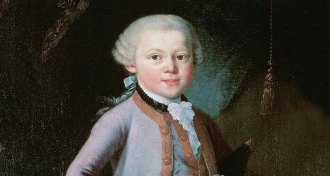
Psychologist probes possible link between prodigy, autism
The Prodigy’s Cousin explores the baffling world of child prodigies and people with autism.