All Stories
- Paleontology
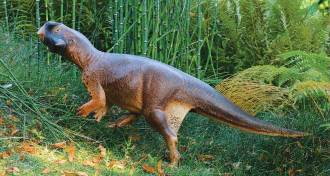
Dinosaurs may have used color as camouflage
Fossilized pigments could paint a vivid picture of a dinosaur’s life.
- Animals
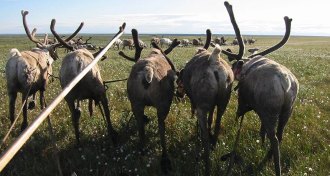
Skimpy sea ice linked to reindeer starvation on land
Unseasonably scant sea ice may feed rain storms inland that lead to ice catastrophes that kill Yamal reindeer and threaten herders’ way of life.
- Climate
Skimpy sea ice linked to reindeer starvation on land
Unseasonably scant sea ice may feed rain storms inland that lead to ice catastrophes that kill Yamal reindeer and threaten herders’ way of life.
- Neuroscience
Sounds and glowing screens impair mouse brains
Too much light and noise screws up developing mice’s brains.
- Health & Medicine
Restless sleep associated with heart rhythm problems
Poor sleep, even without apnea, is tied to heart rhythm problems.
- Tech
Double-charging material makes a run in the sun extra powerful
Textile stores energy from the sun and a person’s movements to power devices.
- Climate
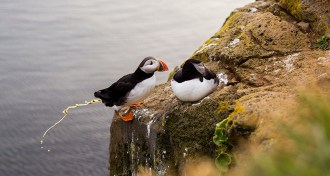
There’s something cool about Arctic bird poop
Ammonia from seabird poop helps brighten clouds in the Arctic, slightly cooling the region’s climate.
- Climate
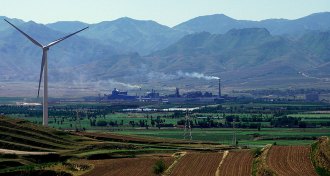
CO2 emissions stay steady for third consecutive year
Global emissions of carbon dioxide from human activities will probably see almost no increase in 2016 despite economic growth.
- Neuroscience
Infant brains have powerful reactions to fear
Babies can recognize facial emotions, especially fear, as early as 5 months old.
- Life
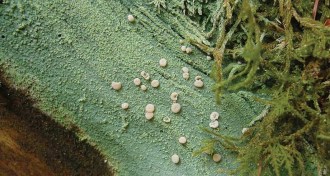
Lichens are an early warning system for forest health
Lichens, fascinating mosaics of fungi and algae or cyanobacteria, are made for sensing environmental change.
-
- Neuroscience
Zap to the head leads to fat loss
Stimulating the vestibular nerve led people to shed fat in a small trial.