All Stories
- Astronomy
Mysterious radio signals pack power and brilliance
The brightest fast radio burst has been detected, while another team reveals a previous burst might have carried gamma rays as well as radio waves across space.
- Health & Medicine
This week in Zika: Vaginal vulnerability, disease double trouble and more
Puerto Rico cases of Zika suggest that the virus prefers women. And two new findings reveal more about Zika’s transmission and ability to survive outside the body.
- Animals
In some ways, hawks hunt like humans
Raptors may track their prey in similar patterns to primates.
- Health & Medicine
50 years ago, fluoridation was promoted as a bone protector
In 1966, scientists hoped fluoride might protect adult bone health. While the results broke down over time, the benefits for teeth remain clear.
- Health & Medicine
Heartburn drugs may raise stroke risk
Drugs used by millions for heartburn linked to increased risk of stroke.
- Neuroscience
Despite Alzheimer’s plaques, some seniors remain mentally sharp
Plaques and tangles riddle the brains of some very old and very healthy people.
- Neuroscience
Protein linked to Parkinson’s travels from gut to brain
Parkinson’s protein can travel from gut to brain, mouse study suggests.
- Health & Medicine
Downside of yo-yo dieting is rise in heart disease risk
Yo-yo dieting hurts the heart, even if you’re not overweight.
- Science & Society
Readers respond to the SN 10, and awards for Science News
The human side of science, cool cloth and more in reader feedback.
- Science & Society
Averages can conceal how people and science learn
Editor in chief Eva Emerson discusses getting the whole scientific story.
- Astronomy
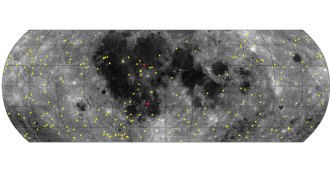
Surprising number of meteoroids hit moon’s surface
A new analysis of lunar images reveals over 200 new craters and about 47,000 undiscovered “splotches” on the moon.
- Health & Medicine
Chinese patient is first to be treated with CRISPR-edited cells
Researchers used CRISPR/Cas9 to engineer immune cells that were then injected into a patient with lung cancer, the journal Nature reports.