News
- Earth
Catastrophic solar storms may not explain shadows of radiation in trees
Tree rings record six known Miyake events — spikes in global radiation levels in the past. The sun, as long presumed, might not be the sole culprit.
- Astronomy
Part of a lost, ancient star catalog has now been found
Greek astronomer Hipparchus may be the first to try to precisely map the stars. His lost work turned up on parchment that had been erased and reused.
- Astronomy
Astronomers have found the closest known black hole to Earth
Discovered by how it pushes around a companion star, the black hole is about 1,500 light-years away and roughly 10 times the mass of the sun.
- Health & Medicine
Cat allergies may be tamed by adding an asthma therapy to allergy shots
Adding an antibody already used to treat asthma to standard allergy shots improved cat allergy symptoms for a least a year, a small study finds.
- Health & Medicine
The U.S.’s alcohol-induced death rate rose sharply in the pandemic’s first year
Studies suggested cases of alcoholic liver disease rose in the first pandemic year, and new data show the death rate from alcohol use climbed too.
- Physics
Crowdsourced cell phone data could keep bridges safe and strong
Accelerometers and GPS sensors in smartphones could provide frequent, real-time data on bridge vibrations, and alert engineers to changes in integrity
- Planetary Science
Marsquakes hint that the planet might be volcanically active after all
Seismic data recorded by NASA’s InSight lander suggest molten rock moves tens of kilometers below the planet’s fractured Cerberus Fossae region.
- Animals
Deer-vehicle collisions spike when daylight saving time ends
In the week after much of the United States turns the clock back, scientists found a 16 percent increase in crashes between vehicles and deer.
- Health & Medicine
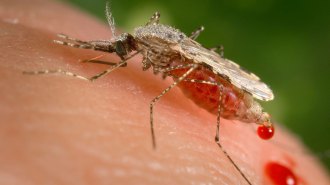
A major malaria outbreak in Ethiopia came from an invasive Asian mosquito
Malaria may become a much bigger problem in Africa’s cities if the invasive mosquito continues to spread.
- Microbes
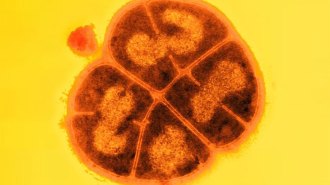
Ancient bacteria could persist beneath Mars’ surface
Radiation-tolerant microbes might be able to survive beneath Mars’ surface for hundreds of millions of years, a new study suggests.
- Archaeology
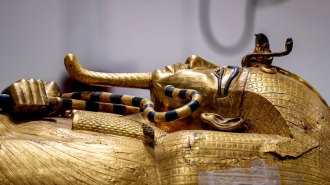
King Tut’s tomb still has secrets to reveal 100 years after its discovery
More of Tut’s story is poised to come to light in the coming years. Here are four things to know on the 100th anniversary of his tomb’s discovery.
- Animals
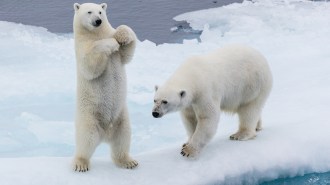
Here’s how polar bears might get traction on snow
Microstructures on the Arctic animals’ paws might offer extra friction that keeps them from slipping on snow, a new study reports.