Scientific research on the workings of the human body has led to major advances in longevity and health. But there have also been dark chapters. The 19th century Viennese physician Joseph Hyrtl became famous for his knowledge of human anatomy — knowledge earned by paying grave robbers to provide subjects for his private collection. He was far from the only researcher at the time to do so.
For centuries, major museums and research institutions have stored, studied and displayed human remains. Some, like Hyrtl’s, were almost certainly obtained unethically. The retention of remains has become increasingly controversial as various groups challenge the ethics of using people’s bodies as tools of research and public education without consent.
In 1990, Congress passed the Native American Graves Protection and Repatriation Act. It requires institutions to return remains and artifacts to lineal descendants, tribes or other culturally affiliated organizations, or gain consent for their continued use.
Progress has been slow, and controversies over remains held by scientific institutions continue to erupt, extending beyond those from Indigenous communities.
In 2021, journalists in Philadelphia reported that the University of Pennsylvania was holding human remains from the 1985 MOVE bombing, in which city police dropped a bomb on a row house serving as headquarters for a group calling for Black liberation. Eleven people were killed, including children. Some of the MOVE families’ remains were used to teach anatomy classes. Although those remains were returned to family members, more have since been found.
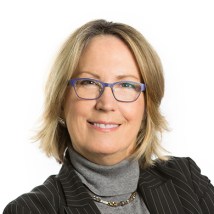
Fatimah Jackson, a biological anthropologist recently retired from Howard University in Washington, D.C., is leading a new effort spurred by the MOVE revelations to prevent such abuses. “We’re the ones who are holding this material,” she told freelance contributor Michael Marshall. “The scientists are the culprits here.”
Jackson aims to guide universities and museums in ethically managing remains in their possession that were obtained without consent, including those from African American cemeteries.
And there’s progress on other fronts. Medical schools now rely on people who choose to donate their bodies after death for anatomy studies. Some schools hold ceremonies honoring donors when the class ends. Hrytl no doubt would have been amazed.