Science & Society
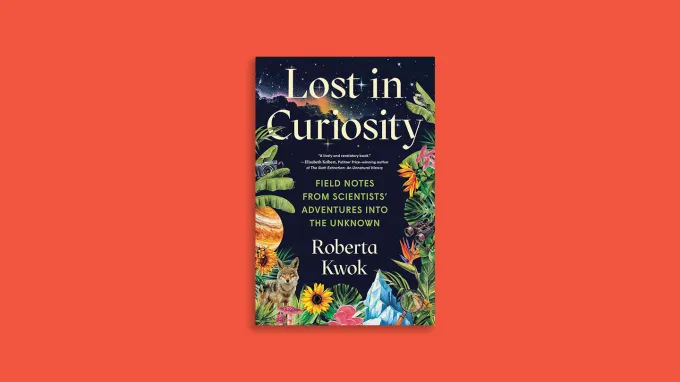
Lost in Curiosity reveals the messy reality of doing science
In her new book, science journalist Roberta Kwok takes readers behind the scenes to understand how researchers get nature to give up its secrets.
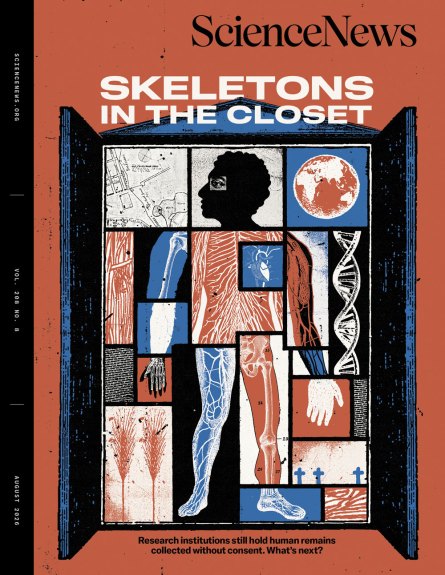
Biological anthropologist Fatimah Jackson is leading an effort to prevent history from repeating.
In her new book, science journalist Roberta Kwok takes readers behind the scenes to understand how researchers get nature to give up its secrets.
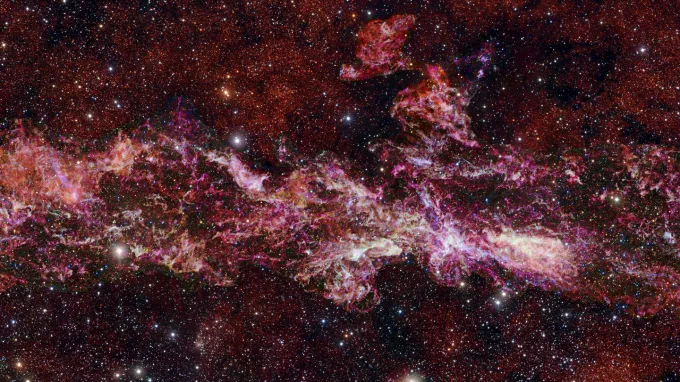
New observations suggest the supermassive black hole at the Milky Way’s core is blowing gas away from the central behemoth.
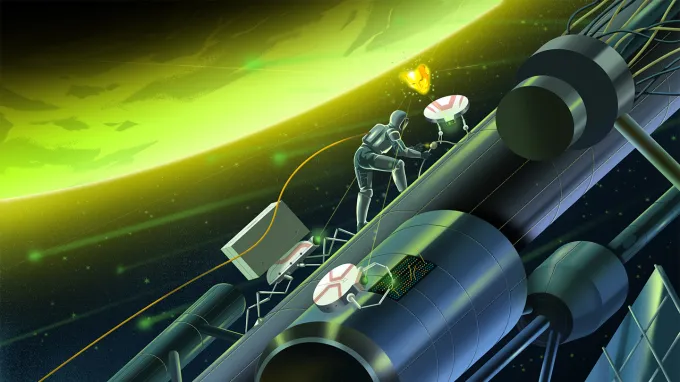
In sci-fi, AI can navigate the unknowns and — ideally — keep human travelers safe. But it’s not intelligent enough to do that yet.

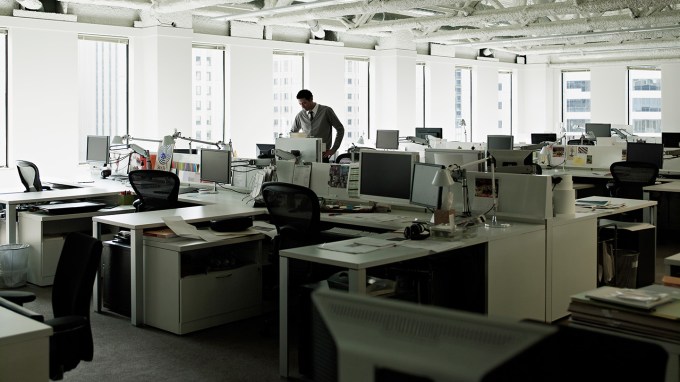
Making social connection part of job design, whether people work remotely, hybrid or in-person, is key to supporting employees‘ well-being.
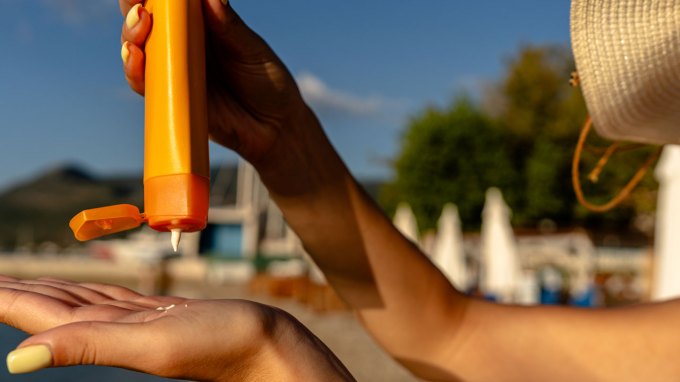
The FDA will allow bemotrizinol in sunscreen. The chemical is long-lasting and defends against solar radiation that ages skin.
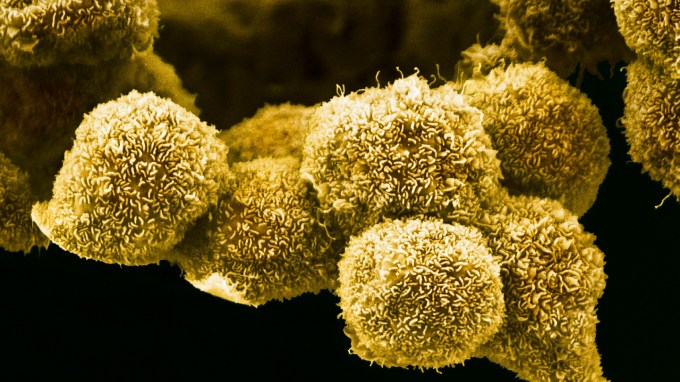
Daraxonrasib, which nearly doubled patients' survival time, fights the disease in a new way. It bear-hugs a cancer protein that drives cell growth.
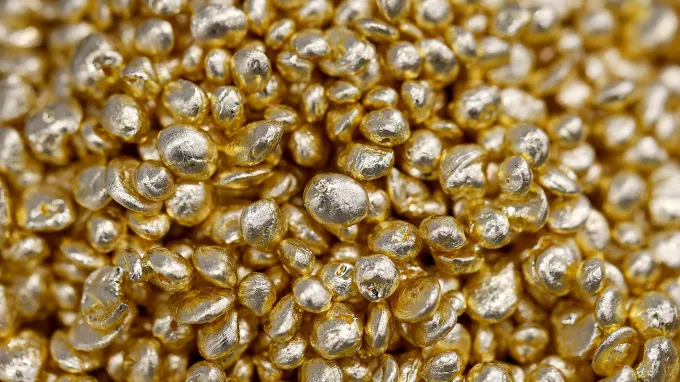
Metals like copper oxidize — reacting with oxygen in the air — but gold doesn’t, thanks to a quick switch in atom arrangement on its surface.
The result is correct but challenges core norms of mathematics: checking proofs, crediting ideas and keeping research open to everyone.
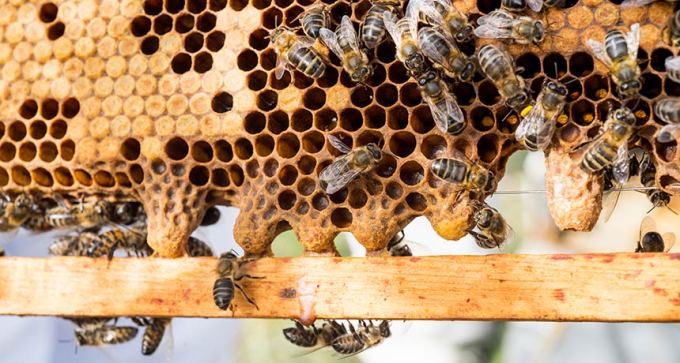
A last-minute pH shift thickens royal jelly enough to stick queen larvae to the ceiling of hive cells.
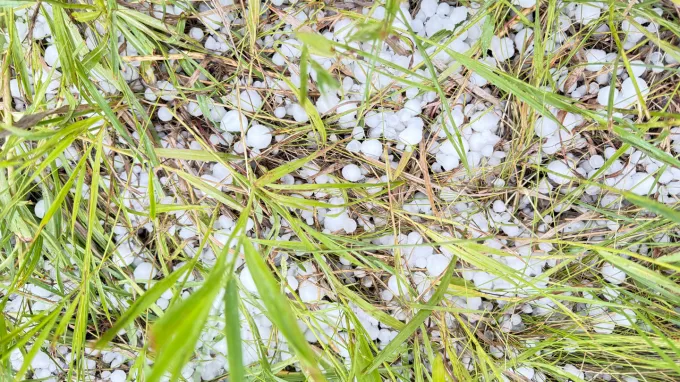
A global model suggests that climate change could make hailstones larger and more damaging in many regions, especially at mid-to-high latitudes.

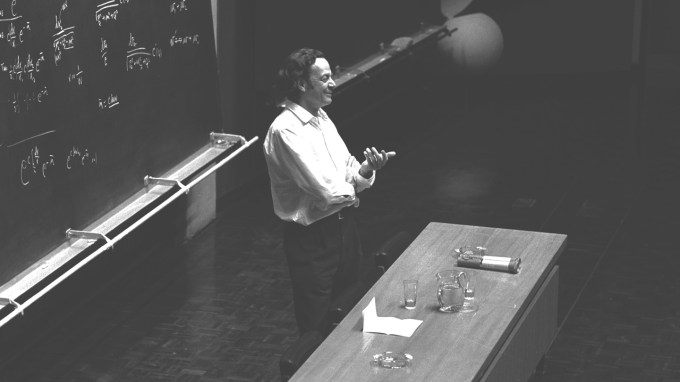
Physicist Richard Feynman turned a lunch dilemma into a math problem. Researchers finally cracked his notes and found people approximate his solution on their own.
Using smartphone-based tools, researchers find that older adults’ recollections of past events may remain more intact than previously thought.
A mathematical model shows that attempting to sever a fundamental particle of light could conjure new ones out of thin air.
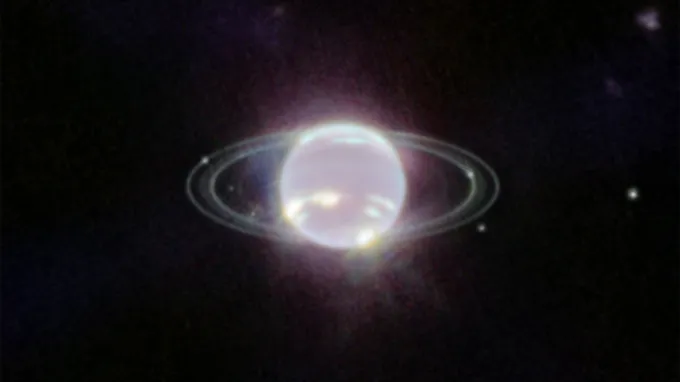
Neptune’s oddball moon Nereid may be the sole remnant of an earlier system, formed near the planet rather than being pulled in from afar.
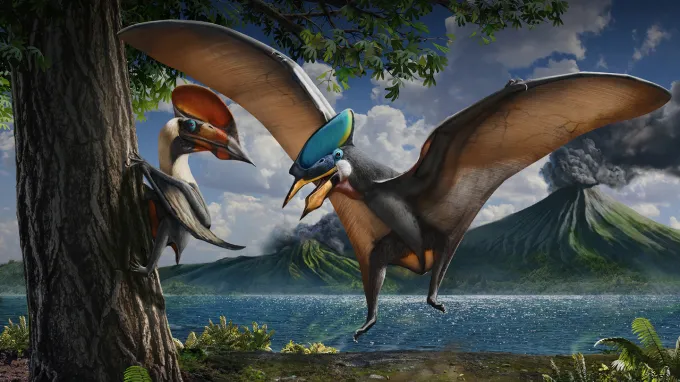
A new analysis of a 120-million-year-old fossil suggests at least one pterosaur species shimmered in iridescent greens and magentas.
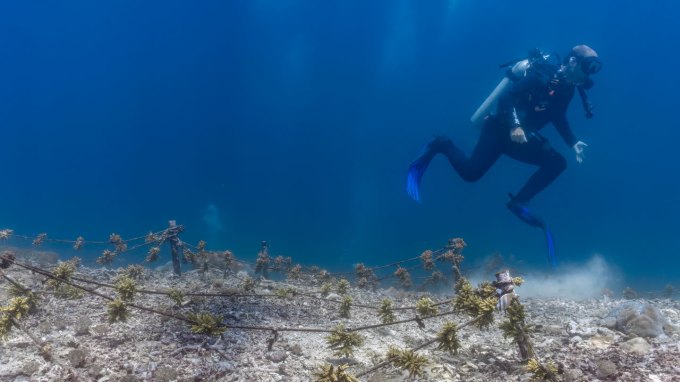
Hours of diving videos and hundreds of survey responses reveal the common diver mistakes that can cause irreversible reef damage.
DNA preserved in ancient scat reveals what Yukon ground squirrels ate and what animals shared their world.
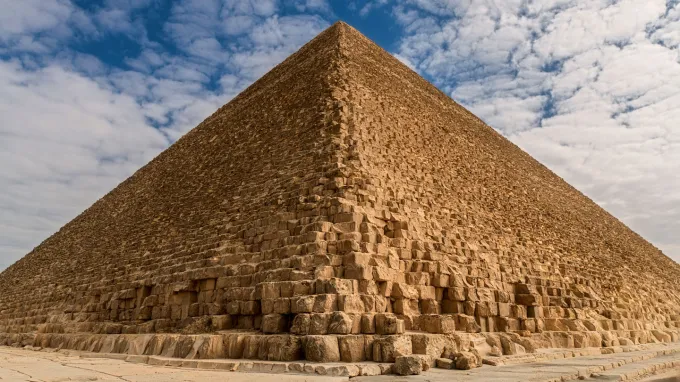
Differences in how the pyramid and surrounding soil vibrate, along with design choices, have protected the structure from earthquakes.
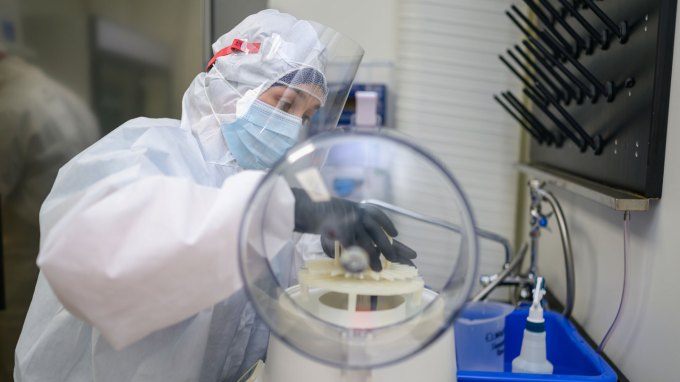
Researchers used machine learning to help predict chemical signatures for over 1 billion possible fentanyls, including variants never seen before.
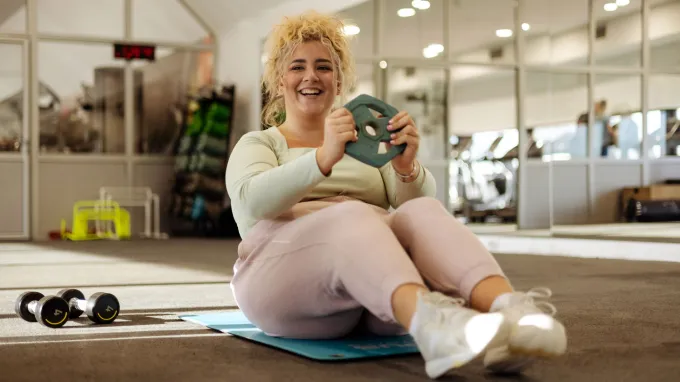
In a clinical trial, an experimental antibody reduced lean-mass loss in people on a GLP-1 drug. Whether that improves health is unclear.
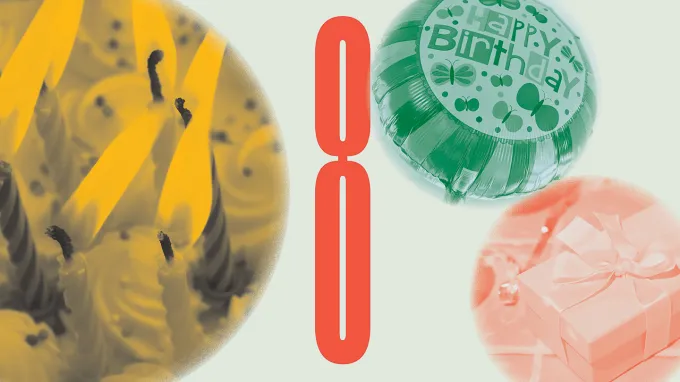
Solve the math puzzle from our August 2026 issue, in which a family investigates an odd happening.