Plants
Celebrate America’s 250th birthday at a new state flower exhibit
Stop and smell America’s state flowers at the U.S. Botanic Garden in Washington, D.C., open now through October 12, 2026.

Viking 1 kicked off the search for Martian life 50 years ago. Now NASA’s shifting priorities are putting the quest in limbo.
Stop and smell America’s state flowers at the U.S. Botanic Garden in Washington, D.C., open now through October 12, 2026.
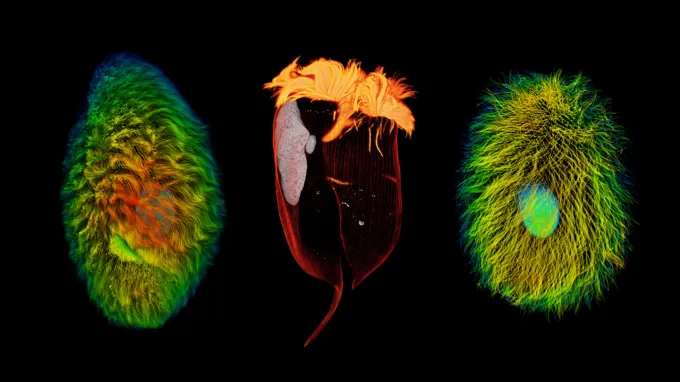
In cows’ guts, ciliates contain a tiny organelle called a hydrogenobody that may drive production of methane, a potent greenhouse gas.
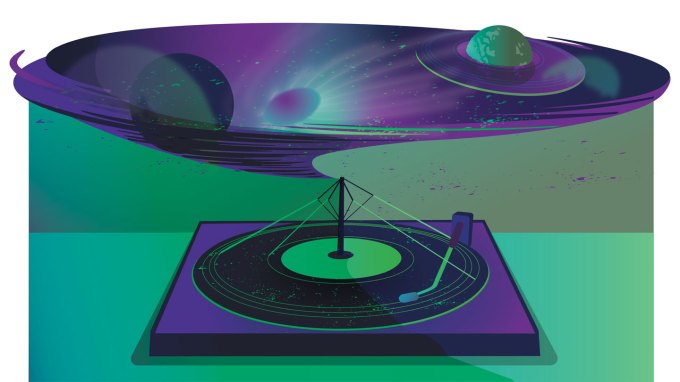
A science-art team uses research data to make music featuring sounds of Antarctica and outer space

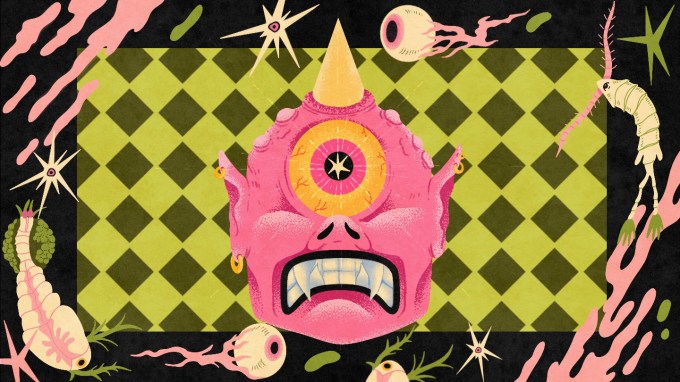
The iconic one-eyed monster coming to movie screens in July in The Odyssey might have more in common with tiny water critters than with humans.
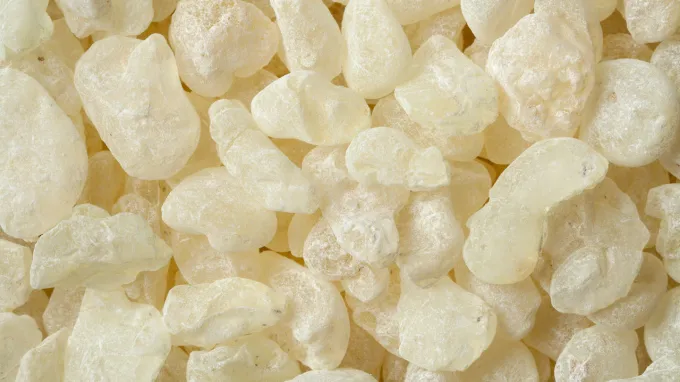
Chewing gum made from mastic resin is a Greek staple that has some benefits for the mouth and gut. But it won’t change your face shape.
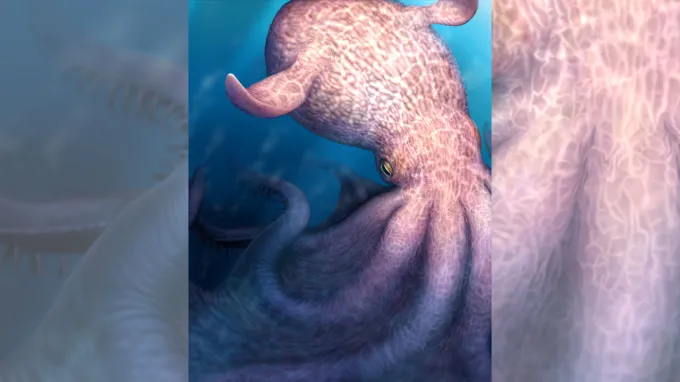
Some octopuses that lived over 72 million years ago were as long as whales. These huge predators may have been the largest invertebrates ever.
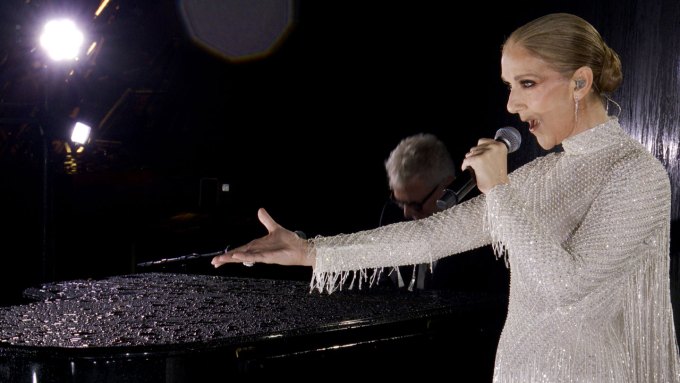
CAR T cell therapy wipes out rogue antibodies' source and improves walking speed in people with the same autoimmune disorder that affects Celine Dion.
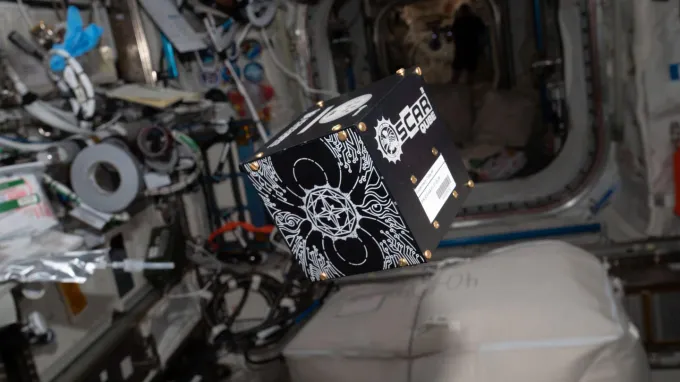
On the International Space Station, a cube holding a diamond-based sensor revealed the potential for quantum magnetometers.
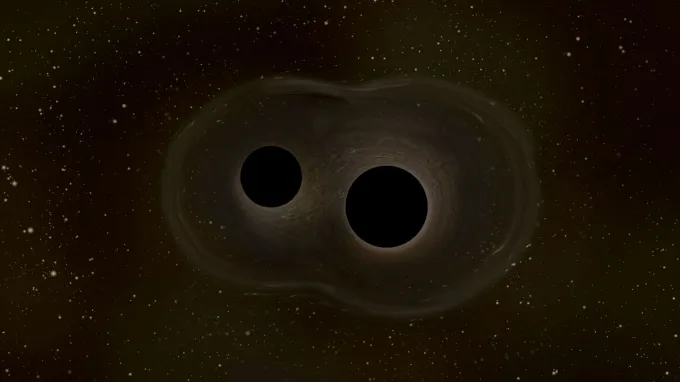
At some 60 billion times the mass of the sun, this dark void could be home to a pair of black holes that are due for a cosmic collision.
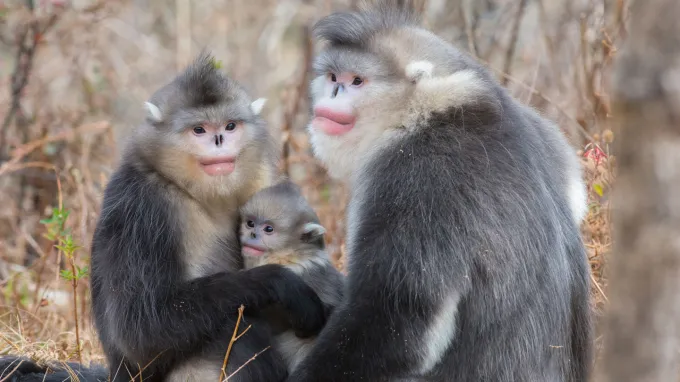
Male primates may be larger than females partly because of pressure from rival groups, not just competition with males inside their own group.
A new study shows learning to fly in virtual reality with virtual wings can reshape the brain, making it treat wings more like body parts.
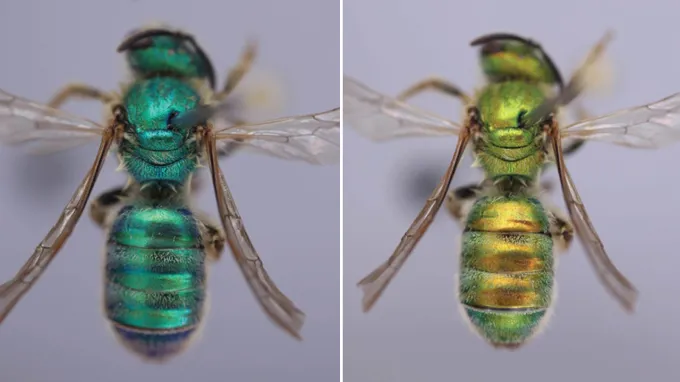
North American sweat bees change color depending on the surrounding humidity. It might be a more widespread phenomenon among insects.
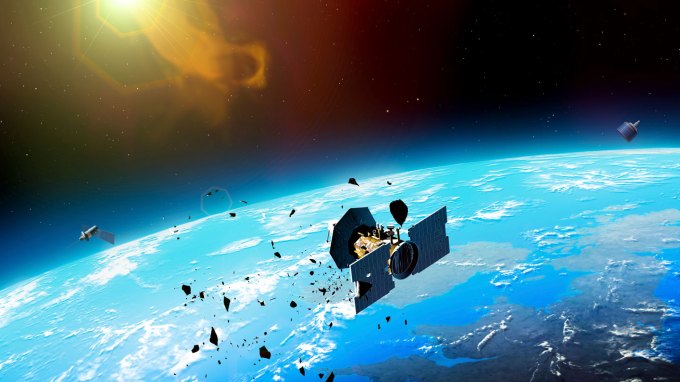
A new study links the sun's 11-year cycle to accelerated orbital loss, with debris falling faster once sunspot numbers near their cycle peak.
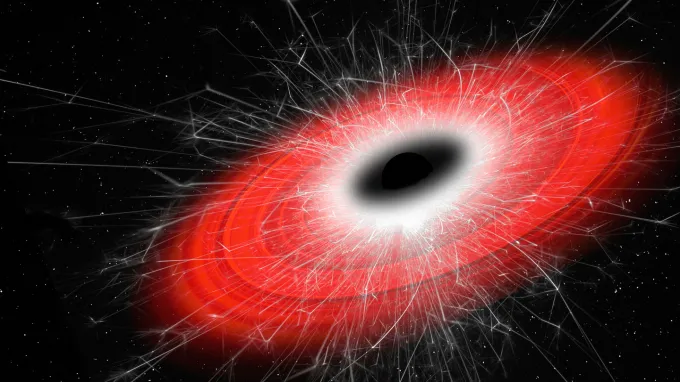
A link between particle physics and gravity equations, called the double copy, applies to Hawking radiation, creating a new way into black hole puzzles.
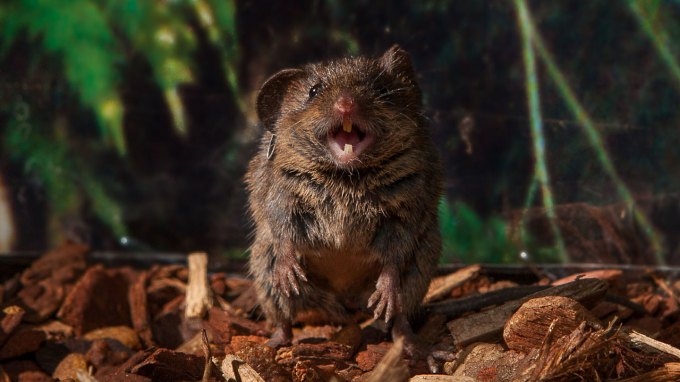
To serenade with their high-pitched songs, singing mice inflate a throat sac — a use for air sacs seemingly unknown in any other animal.
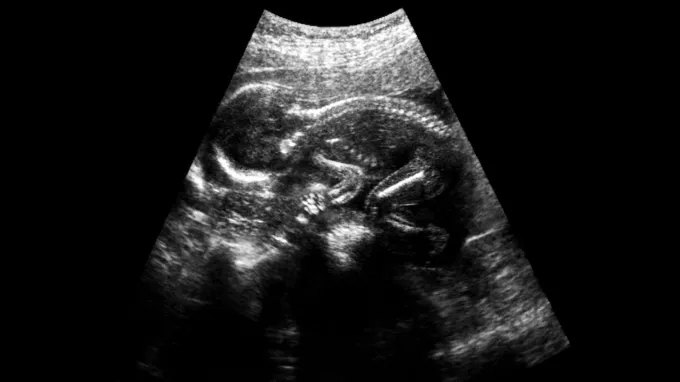
A clinical trial for spina bifida treatment suggests that a surgical approach relying on stem cells is safe for patients. Its efficacy is still being evaluated.
Suicide is a top cause of death for teens and young adults. A study finds a link between the 988 Lifeline and a drop in their suicide mortality.
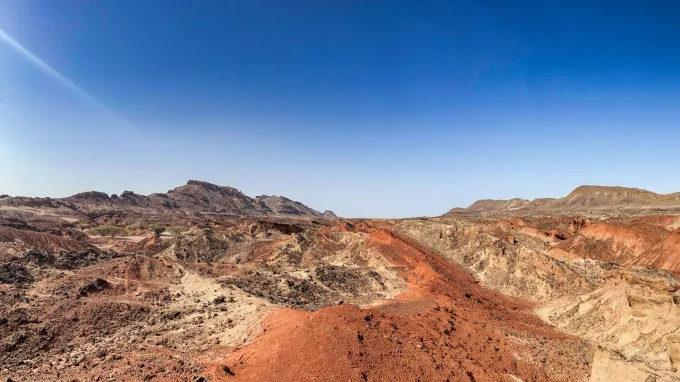
Africa’s Turkana Rift Zone, a hotbed of hominin fossils, is caught in the act of “necking," a critical transition toward continental breakup.
Solve the crossword from our July 2026 issue, in which we raise our solving skills to the next level.