5,553 results
5,553 results for: Forests
- Ecosystems
To save Appalachia’s endangered mussels, scientists hatched a bold plan
Biologists have just begun to learn whether their bold plan worked to save the golden riffleshell, a freshwater mussel teetering on the brink of extinction.
- Archaeology
Clues to the earliest known bow-and-arrow hunting outside Africa have been found
Possible arrowheads at a rainforest site in Sri Lanka date to 48,000 years ago.
- Animals
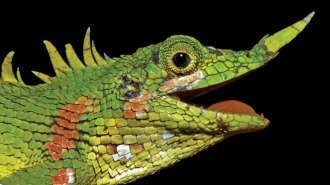
A nose-horned dragon lizard lost to science for over 100 years has been found
It’s now known that a Modigliani’s lizard, first found in 1891 in Indonesia, is bright green but can shift shades like a chameleon.
- Humans
Lidar reveals the oldest and biggest Maya structure yet found
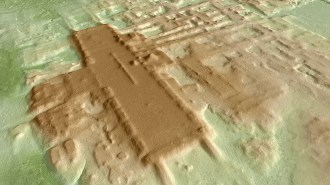
A previously unknown Maya site in Mexico, called Aguada Fénix, adds to evidence that massive public works may have preceded kings in the civilization.
- Ecosystems
Tapirs may be key to reviving the Amazon. All they need to do is poop
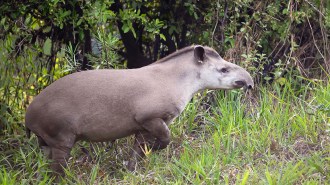
Brazilian ecologist Lucas Paolucci is collecting tapir dung to understand how the piglike mammals may help restore degraded rain forests.
- Climate
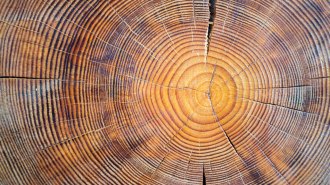
‘Tree Story’ explores what tree rings can tell us about the past
The book "Tree Story" explains how scientists decipher tree rings to discover clues about past climates and ancient civilizations.
- Earth
Up to 220 million people globally may be at risk of arsenic-contaminated water
A new world map highlights possible hot spots of arsenic contamination in groundwater.
- Health & Medicine
COVID-19 case clusters offer lessons and warnings for reopening
As restaurants, offices and other businesses open, trends in where and how COVID-19 transmission is happening could help guide re-entry strategies.
- Climate
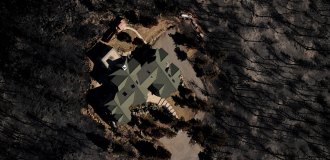
How to protect your home from disasters amplified by climate change
How people can make their homes and communities more resilient to the effects of climate change, including floods, fires, heat and drought.
- Climate
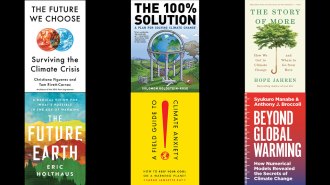
These 6 books explore climate change science and solutions
Science News staff read recent books about climate change to help guide you to which ones you might like.
- Life
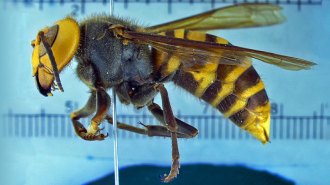
More ‘murder hornets’ are turning up. Here’s what you need to know
Two more specimens of the world’s largest hornet have just been found in North America.
- Life
How much space does nature need? 30 percent of the planet may not be enough
Nations are drafting a plan to protect 30 percent of Earth by 2030 to save biodiversity. The number reflects politics more than scientific consensus.