Earth
Tiny tremors can’t always warn when fracking will trigger a bigger quake
A study of 70,000 earthquakes finds tiny tremors often precede larger fracking-linked quakes, offering a warning to halt fluid injection.
We summarize the week's scientific breakthroughs every Thursday.
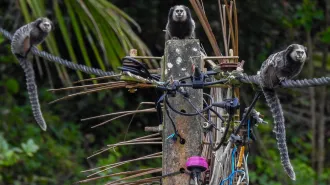
Animals searching for water brought the forest to the city, perhaps sparking Brazil’s first yellow fever outbreak in decades.
What makes a greener wipe? Researchers have more to say about bamboo's ecological risks, given limited carbon footprint data.
Researchers injected mice with a protein derived from frogs to save them from the same kind of shellfish poisoning that affects people.
An emperor penguin colony in Antarctica saw a massive decline in chicks in 2025. The contours of a nearby grounded iceberg may have been the cause.
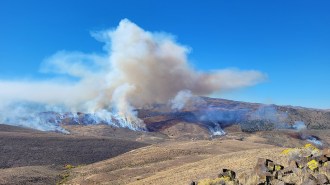
Researchers tracked a prescribed grassland fire using infrasound, sound waves pitched too low for people to hear.
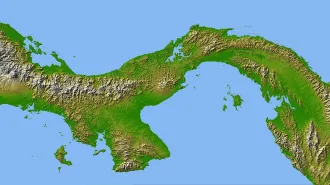
Ancient mammals may have had an easier time moving across the Isthmus of Panama from north to south thanks to Mexico’s climate.
Common dolphins in New Zealand are biologically older than their calendar ages. Trace metals and “forever chemicals” may be to blame.
The inferno that sent toxic smoke billowing toward the United States won't be the last. Officials are now battling both the wildfires and misinformation.
This strategy expands orcas’ already broad repertoire for dispatching different types of prey.