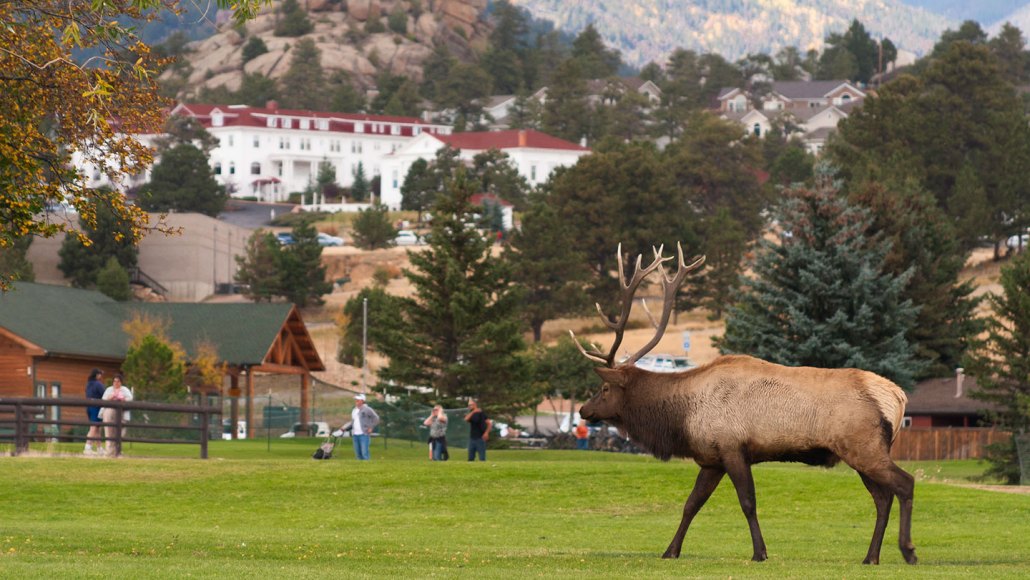
Elk frequent many towns near national parks, like Estes Park, Colo., where they sometimes butt heads with tourists.
shutter18/iStock/Getty Images Plus
This is a human-written story voiced by AI. Got feedback? Take our survey . (See our AI policy here .)
A bear might seem like the scariest thing you could run into in a national park. But a new study suggests maybe you should be more worried about elk.
Out of nearly 3,000 wildlife incidents in Canadian national parks, more than half involved an elk, researchers report July 2 in Frontiers in Conservation Science. But the risk of tangling with a given species also depended on what people were doing, say Holly Landles and conservation biologist Shashank Balakrishna of the University of York in England.
Camping out? Be wary of elk grazing near your campsite. Quietly hiking or wildlife watching? Watch out for bears using the same trails.
“By identifying situations where a potential conflict scenario is more likely, we can help visitors make informed decisions that improve safety whilst also reducing unnecessary disturbance to wildlife,” says Landles, who conducted this research as an undergraduate at York.
Landles and Balakrishna analyzed 2,878 aggressive wildlife incidents from 2010 to 2023 involving five animals: black bears, grizzly bears, elk, coyotes and mule deer. Aggressive behaviors included chasing, attacking or bluffing a charge. The analysis identified which animal–human activity combinations were especially risky.
Elk topped the list, involved in 62 percent of all the incidents. One of the riskiest combos was elk and camping — the animals turned up in 84 percent of campground incidents. This may be because Canada’s peak camping season aligns with when the animals mate and give birth — times of heightened aggression for the species.
“Elk are herbivorous herd animals that don’t immediately inspire fear like a carnivore does,” Balakrishna says. Visitors may underestimate how aggressive they can be.
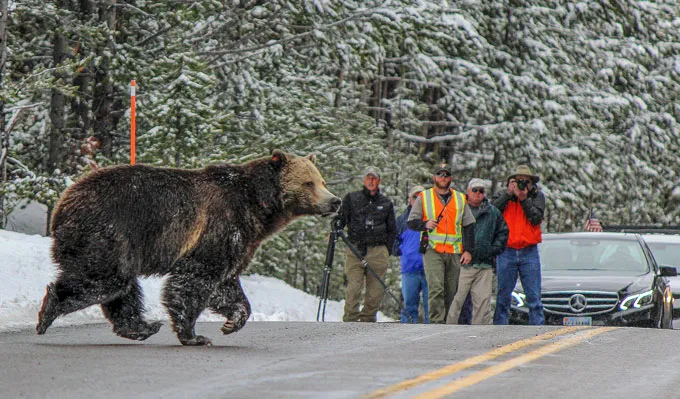
Bears, though, are well-known for their aggression.
Aggressive encounters with grizzly and black bears — which accounted for 14 percent and 13 percent of the total — were most frequent during low-impact activities, like hiking or wildlife watching. Bears can react aggressively when surprised by people moving quietly.
Coyotes and mule deer were less involved in the incidents, though mule deer appeared most provoked by encounters with dogs. Dogs resemble a mule deer’s natural predators.
The researchers recommend a few simple precautions based on the study’s results: Hike in groups or make noise when hiking alone, keep dogs on a short leash and pay attention to trail signage.
“Our findings highlight the importance of visitors being well informed and seeking advice from park staff when they are uncertain,” Landles says.