Life
We summarize the week's scientific breakthroughs every Thursday.
- Microbes
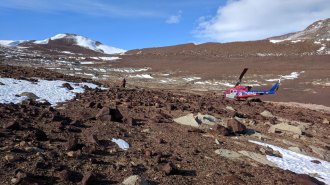
Missing Antarctic microbes raise thorny questions about the search for aliens
Scientists couldn’t find microbial life in soils from Antarctica, hinting at a limit for habitability on Earth and other worlds.
- Life
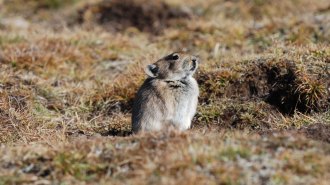
Pikas survive winter using a slower metabolism and, at times, yak poop
Pikas endure bone-chilling temperatures on the Qinghai-Tibetan Plateau by reducing their metabolism, and when possible, eating yak poop.
- Animals
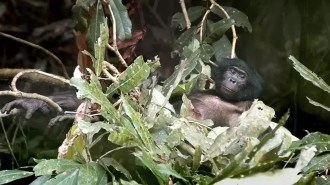
Climate change may be leading to overcounts of endangered bonobos
A changing climate in Congo is affecting how scientists count bonobos’ nests, possibly skewing estimates of the great ape population, a study suggests.
- Humans
Only a tiny fraction of our DNA is uniquely human
Some of the exclusively human tweaks to DNA may have played a role in brain evolution.
- Paleontology
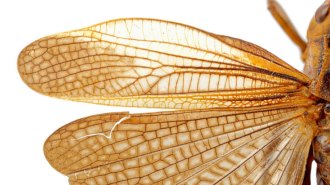
Insects had flashy, noise-making wings as early as 310 million years ago
The structure of a grasshopper-like insect’s fossilized wing suggests it crackled and reflected light, perhaps to attract mates or warn off predators.
- Animals
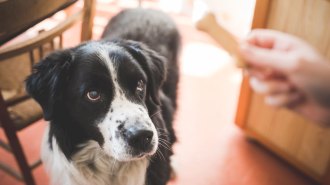
Would dogs return the favor if you gave them treats? It’s complicated
An experiment in which dogs did not reciprocate food giving with humans may reveal something about the dogs, or about how science is done.
- Animals
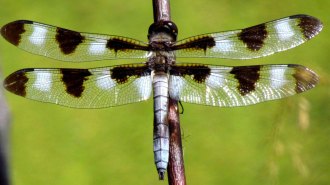
Climate change may rob male dragonfly wings of their dark spots
Less colorful, cooler wings may be advantageous to dragonflies in a warmer world. But the change could mess with the insects’ mating.
- Animals
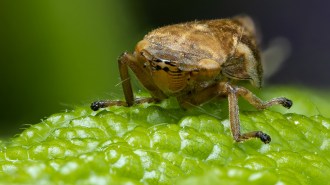
Froghoppers are the super-suckers of the animal world
To feed on plant xylem sap, a nutrient-poor liquid locked away under negative pressure, froghoppers have to suck harder than any known creature.
- Climate
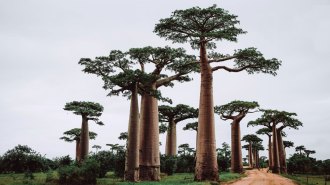
The first step in using trees to slow climate change: Protect the trees we have
In all the fuss over planting trillions of trees, we need to protect the forests that already exist.
- Animals
Dogs tune into people in ways even human-raised wolves don’t
Puppies outpace wolf pups at engaging with humans, even with less exposure to people, supporting the idea that domestication has wired dogs’ brains.
- Health & Medicine
One mutation may have set the coronavirus up to become a global menace
A study pinpoints a key mutation that may have put a bat coronavirus on the path to becoming a human pathogen, helping it better infect human cells.
- Health & Medicine
50 years ago, scientists found a virus lurking in human cancer cells
In 1971, scientists were building a case for viruses as a cause of cancer. Fifty years later, cancer-preventing vaccines are now a reality.