Neuroscience
- Health & Medicine
A once-scrapped Alzheimer’s drug may work after all, new analyses suggest
An antibody that targets Alzheimer’s sticky protein amyloid showed promise in slowing mental decline, according to the company that’s developing it.
- Neuroscience
Is taking birth control as a teen linked to depression? It’s complicated
As researchers sift through conflicting data, no clear answers emerge on whether birth control during teenage years can cause depression later.
- Health & Medicine
A dose of ketamine could lessen the lure of alcohol
Ketamine may weaken wobbly memories of drinking, a trick that might ultimately be useful for treating alcohol addiction.
- Health & Medicine
A protein helps disease-causing immune cells invade MS patients’ brains
Blocking the protein may hinder B cells invading the brain in multiple sclerosis, a study in mice and ‘stand-in’ human brain barriers finds.
- Neuroscience
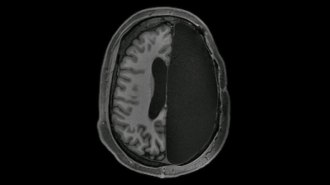
Some people with half a brain have extra strong neural connections
Brain scans of six people who had half their brains removed as epileptic children show signs of compensation.
- Health & Medicine
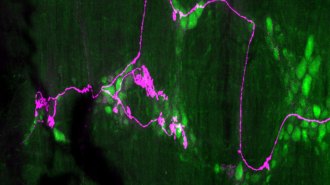
Full intestines, more than full stomachs, may tell mice to stop eating
A new description of stretch-sensing nerve endings in mice’s intestines could lead to ways to treat obesity.
- Neuroscience
People who lack olfactory bulbs shouldn’t be able to smell. But some women can
Some women who appear to lack the brain structures that relay scent messages still have an average sense of smell, and scientists have no idea how.
- Neuroscience
Sleep may trigger rhythmic power washing in the brain
Strong, rhythmic waves of cerebrospinal fluid wash into the human brain during sleep and may help clean out harmful proteins.
- Neuroscience
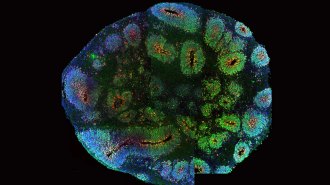
Lab-grown organoids are more stressed-out than actual brain cells
Compared with real brain tissue, organoids show big differences.
- Health & Medicine
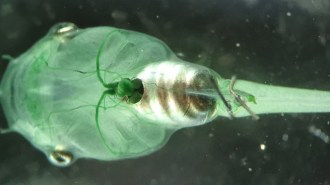
Algae inside blood vessels could act as oxygen factories
Two types of light-responsive algae make oxygen inside tadpoles’ blood vessels.
- Neuroscience
Light from outside the brain can turn on nerve cells in monkey brains
An extra-sensitive light-responsive molecule allowed nerve cells to be switched on or off with dim light.
- Neuroscience
Alzheimer’s may scramble metabolism’s connection to sleep
Mice designed to have brain changes that mimic Alzheimer’s disease have altered reactions to blood sugar changes.