Neuroscience
A photographic memory is wishful thinking
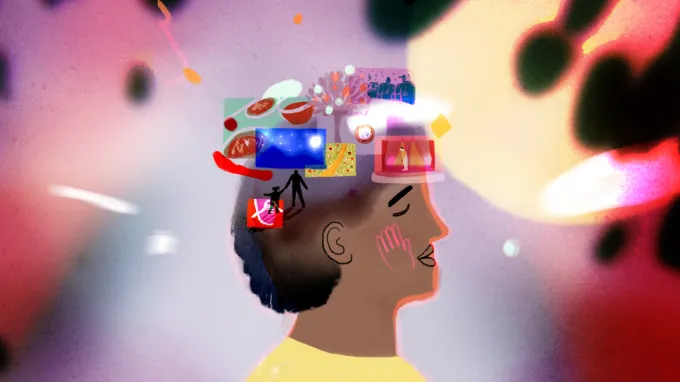
In fiction, photographic memories crack the case or save the day. But our brains can’t hold on to everything — and that’s a good thing.
In fiction, photographic memories crack the case or save the day. But our brains can’t hold on to everything — and that’s a good thing.
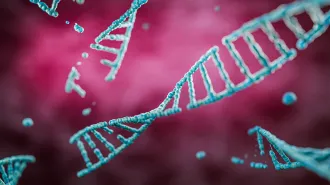
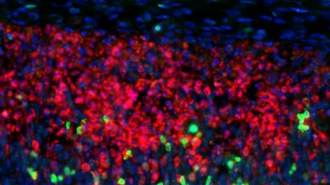
Newborn mice neurons can snap both DNA strands to migrate, then repair the breaks within a day. The process may be a normal part of brain development.
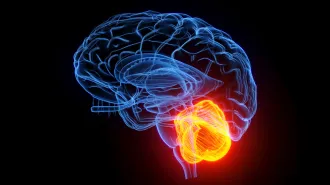
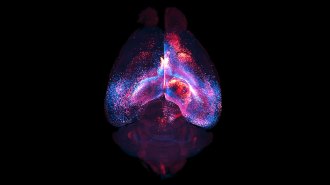
Most known for its role in movement, the cerebellum could compensate for flagging mental functions elsewhere in the brain.
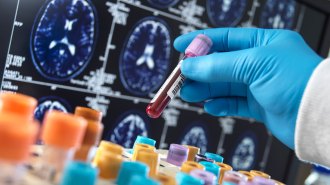
AI helped researchers develop an experimental blood test that might let doctors diagnose overlapping dementias.
Tones, oddball sounds and words can spark brain cell responses, hinting at nuanced processing without consciousness.
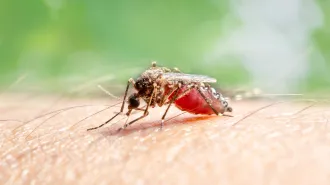
Lab experiments suggest mosquitoes can smell DEET and learn to associate it with food, but it’s unclear whether that happens in the wild.
DNA damage from inflammation outpaces the cells’ ability to self-repair. The finding, in human brain cells and mice, could point to new MS treatments.
A new study shows learning to fly in virtual reality with virtual wings can reshape the brain, making it treat wings more like body parts.
In mouse brains, star-shaped astrocytes form flexible networks that may offer another way for brain regions to communicate.
The findings differ from prior work, showing it's tough to disentangle how similarly our brains register imagined thoughts and real sensations.