Plants
- Ecosystems
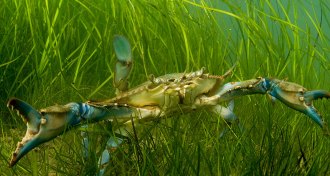
Pollution regulations help Chesapeake Bay seagrass rebound
Regulations that have reduced nitrogen runoff into the Chesapeake Bay are driving the recovery of underwater vegetation.
- Earth
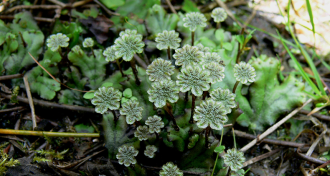
Early land plants led to the rise of mud
New research suggests early land plants called bryophytes, which include modern mosses, helped shape Earth’s surface by creating clay-rich river deposits.
- Plants
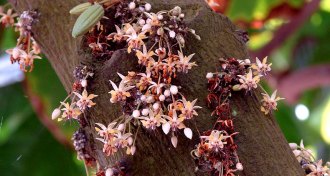
The flowers that give us chocolate are ridiculously hard to pollinate
Cacao trees are really fussy about pollination.
- Plants
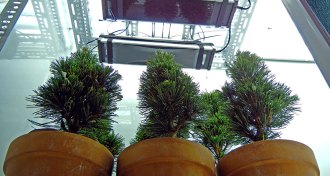
Ancient ozone holes may have sterilized forests 252 million years ago
Swaths of barren forest may have led to Earth’s greatest mass extinction.
- Plants
Pollinators are usually safe from a Venus flytrap
A first-ever look at what pollinates the carnivorous Venus flytrap finds little overlap between pollinators and prey.
- Animals
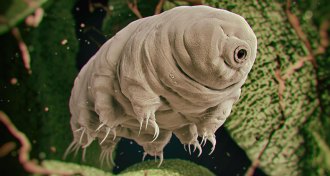
2017 delivered amazing biology finds from organisms large and small
From giant African elephants to tiny tardigrades, scientists discovered some surprising biology this year.
- Plants
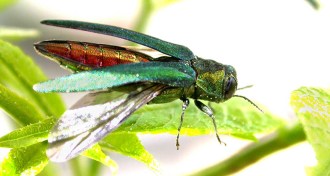
The dietary habits of the emerald ash borer beetle are complicated
Tests answer some questions about the emerald ash borer’s hidden taste for olive and fringe trees.
- Animals
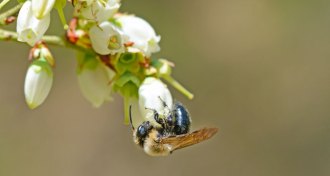
Honeybees fumble their way to blueberry pollination
Blueberry flowers drive honeybees to grappling, even stomping a leg or two down a bloom throat, to reach pollen.
- Ecosystems
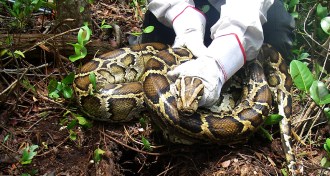
Invasive species are a growing global threat
'The Aliens Among Us' describes how invasive species are colonizing — and disrupting — ecosystems worldwide.
- Climate
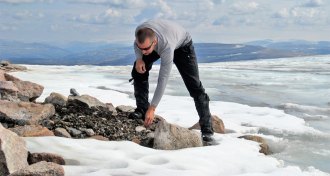
As ice retreats, frozen mosses emerge to tell climate change tale
Plants long entombed beneath Canadian ice are now emerging, telling a story of warming unprecedented in the history of human civilization.
- Life
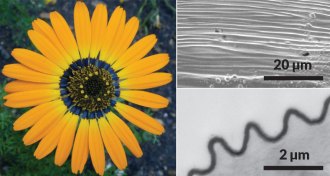
Nanoscale glitches let flowers make a blue blur that bees can see
Bees learn about colorful floral rings faster when nanoscale arrays aren’t quite perfect.
- Climate
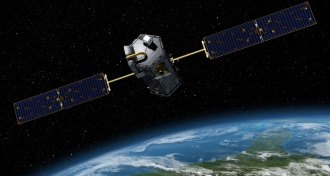
During El Niño, the tropics emit more carbon dioxide
El Niño increases carbon emissions from the tropics — mimicking future climate change.