Tech
We summarize the week's scientific breakthroughs every Thursday.
- Archaeology
Lasers unveil secrets and mysteries of Angkor Wat
The world’s largest temple, Cambodia’s Angkor Wat, was revealed by laser and radar studies to be part of a sprawling medieval metropolis.
- Health & Medicine
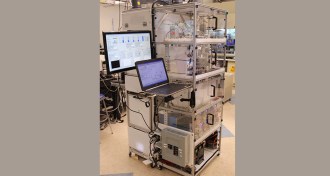
Machine makes drugs on demand
A new drug-making system rapidly produces a variety of medications on demand.
- Health & Medicine
Fridge-sized contraption makes drugs on demand
A new drug-making system rapidly produces a variety of medications on demand.
-
-
- Tech
A storm of tweets followed Superstorm Sandy’s path
When storms hit, people hunker down and tweet. Their social media activity tracks natural disasters and their damage, a new study shows.
- Physics
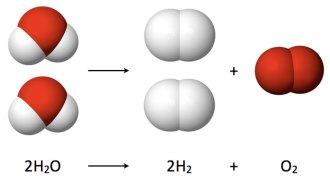
New type of catalyst could aid hydrogen fuel
A substance that can switch states might make an efficient catalyst for extracting hydrogen from water.
- Tech
Computer program bests world champion 4-1 in strategy game Go
Google DeepMind’s Go-playing computer program AlphaGo has topped Lee Sedol, the world’s reigning Go player, in a five-game match in South Korea.
- Materials Science
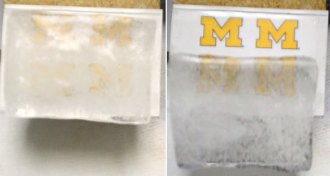
New process encourages ice to slip, slide away
Researchers discover new process for making durable ice-phobic materials.
- Tech
Computer takes first game in match against Go world champion
The computer program AlphaGo takes the lead in a five-match challenge of the strategy game Go.
- Materials Science
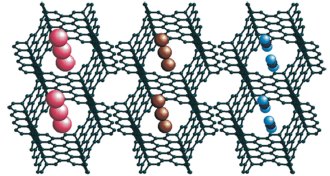
New carbon cluster has high storage capacity
A new carbon structure could store gases or liquids in honeycomb-shaped cells.
- Chemistry
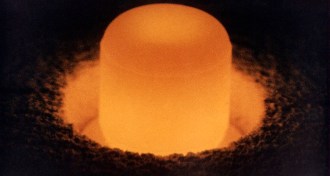
After 75 years, plutonium is still NASA’s fuel of choice
On the 75th anniversary of the discovery of plutonium, the radioactive element is still not a major source of fuel for nuclear power plants in the United States.