All Stories
- Neuroscience
Gene that boosts Alzheimer’s risk might protect against it too
Carrying certain genetic versions of apolipoprotein E is a major risk factor for Alzheimer’s disease. A new study looks at the effects of different types of APOE on the major markers of Alzheimer’s in mice and shows that all forms are not equal.
- Astronomy
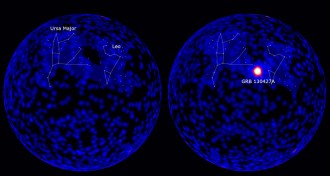
Bright gamma-ray burst tests idea of event’s origins
High-energy light particles suggest that physicists need to revise their theories explaining the origin of these cosmic blasts.
- Life
Only two Y chromosome genes needed for viable mouse sperm
Healthy and fertile mice were born from embryos created using spermlike cells.
- Astronomy
High-energy neutrinos ensnared from beyond the solar system
Speedy particles detected in Antarctica may point to gargantuan black holes or cataclysmic explosions.
- Life
Chemotherapy needs gut bacteria to work
Antibiotics may prevent anticancer drugs from killing tumors.
- Animals
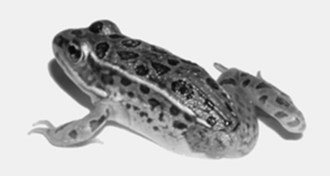
Malformed frogs rarer than thought
Frogs with skin cysts or shortened or missing legs make up only 2 percent of the amphibians collected during a 10-year study.
-
- Animals
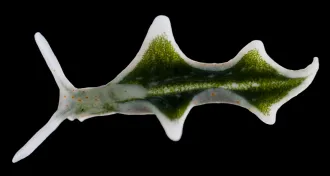
Green sea slugs aren’t solar powered after all
Several species of sea slugs hold on to algal chloroplasts, digesting them weeks or months later. Scientists assumed the creatures were able to use these chloroplasts to make their own food in lean times. A new study finds that at least two of the species aren't solar powered after all.
- Health & Medicine
Eating nuts may extend a person’s life
People who regularly ate peanuts or tree nuts were less likely to die during decades-long studies.
-
- Genetics
Ancient Siberian bones clarify Native American origins
Some New World ancestors came from western Eurasia, not East Asia.
- Planetary Science
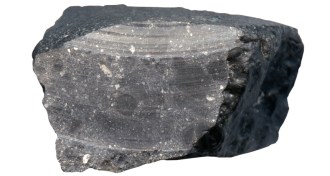
Ancient Martian meteorite preserves chunks of planet’s early crust
Rock could reveal what Mars was like 4.4 billion years ago.