All Stories
- Health & Medicine
Math offers new view of brain and its disorders
Editor in chief Eva Emerson discusses new insights into the brain's role in mental illness, sleep, and ancient rituals.
- Health & Medicine
Zika, psychobiotics and more in reader feedback
Readers respond to the April 2, 2016, issue of Science News with thoughts on Zika virus, planetary science, microbes in mental health and more.
- Animals
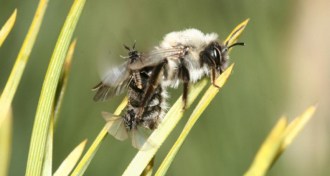
The bizarre mating ritual of a bee parasite
Stylops ovinae insects — parasites found in mining bees — have short lives filled with trauma.
- Animals
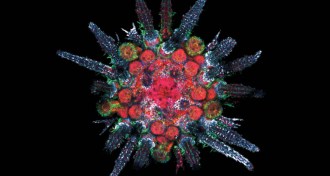
Some animals ‘see’ the world through oddball eyes
Purple urchins, aka crawling eyeballs, are just one of several bizarre visual systems broadening scientists’ view of what makes an eye.
- Agriculture
New analysis: Genetically engineered foods not a health risk
No real evidence for health or environmental dangers of GE crops.
- Health & Medicine
With easy e-cig access, teen vaping soars
The vast majority of U.S. states ban sales or distribution of e-cigarette products to minors. Still, it’s no sweat for teens to buy them online.
- Life
How the Galápagos cormorant got its tiny wings
Galápagos cormorants’ tiny wings may be due to altered reception in cellular antennas.
- Oceans
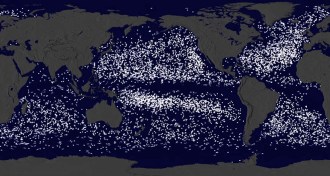
Here’s where 17,000 ocean research buoys ended up
A combined look at 35 years’ worth of ocean buoy movements reveals the currents that feed into ocean garbage patches.
- Life
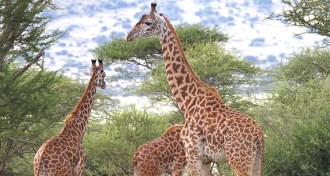
Giraffe’s long neck linked to its genetic profile
Giraffes’ genes may reveal how their necks grew long and hearts got strong.
- Health & Medicine
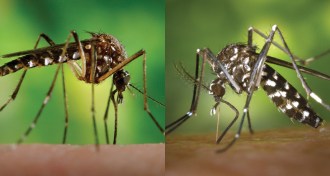
Scientists wrestle with possibility of second Zika-spreading mosquito
It’s hard to say yet whether Asian tiger mosquitoes will worsen the ongoing Zika outbreak in the Americas.
- Animals
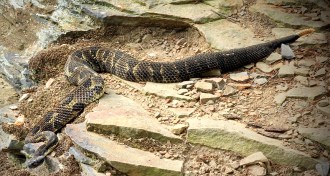
‘America’s Snake’ chronicles life and times of iconic timber rattlesnake
America’s Snake looks past timber rattlesnake’s fearsome reputation and delves into the fascinating biology of this iconic serpent.
- Astronomy
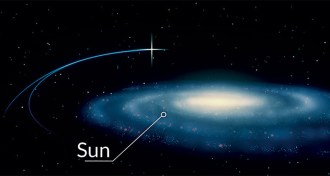
Fast-moving star duo is heading out of the Milky Way
A pair of hyperfast stars hurtling through a remote region of the Milky Way might have been orphaned after a long-ago galactic collision, a new study suggests.