All Stories
- Tech
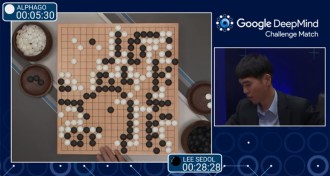
Computer takes first game in match against Go world champion
The computer program AlphaGo takes the lead in a five-match challenge of the strategy game Go.
- Health & Medicine
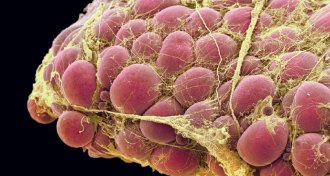
Cells from fat mend bone, cartilage, muscle and even the heart
Stem cells and other components of fat can be coerced to grow into bone, cartilage, muscle or to repair the heart.
- Health & Medicine
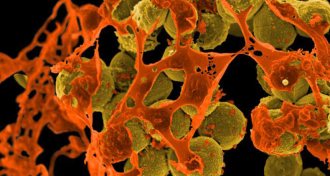
Molecules found to counter antibiotic resistance
Molecules made in a lab can foil antibiotic resistance in bacteria.
- Health & Medicine
New techniques regrow lens, cornea tissue
Preliminary stem cell discoveries may restore lenses and corneas.
- Anthropology
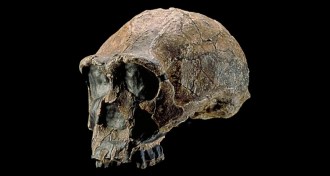
H. erectus cut, chewed way through evolution
A diet that included raw, sliced meat changed the face of early Homo evolution, scientists say.
- Oceans
Swirls of plankton decorate the Arabian Sea
The dinoflagellate Noctiluca scintillans is taking over in the Arabian Sea, posing a potential threat to its ecosystem.
- Neuroscience
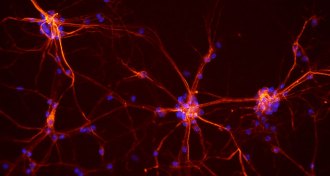
Scientists still haven’t solved mystery of memory
50 years have refined a basic understanding of the brain, but scientists are still exploring how memories form, change and persist.
- Animals
New chameleon has strange snout, odd distribution
A new species of chameleon from Tanzania echoes the unusual range of the kipunji monkey.
- Quantum Physics
Ultrasmall engines bend second law of thermodynamics
Car engines and batteries run because of the second law of thermodynamics, which appears to work, with just a little bending, for ultrasmall engines in the quantum realm as well.
- Climate
Earlier blooming intensifies spring heat waves in Europe
The early arrival of spring plants due to climate change amplifies springtime heat waves in Europe, new climate simulations suggest.
- Animals
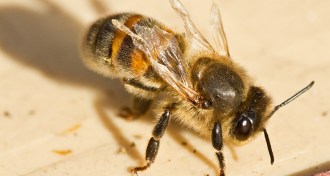
Mite-virus alliance could be bringing down honeybees
Parasitic mites and a virus have a mutually beneficial alliance while attacking honeybees.
- Health & Medicine
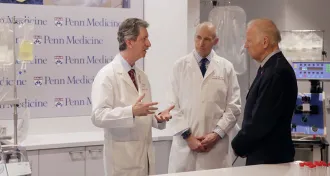
‘Cancer moonshot’ launch prep under way
Details are trickling out for the president’s proposed “cancer moonshot,” but plan for launch is still months off.