Uncategorized
-
AnimalsElephant’s big nose wins most sensitive sniffer
A genetic survey reveals that African elephants harbor more smell sensors than any other known animal.
By Nsikan Akpan -
GeneticsHints about schizophrenia emerge from genetic study
From thousands of genomes, researchers pinpoint dozens of DNA changes that may underlie schizophrenia
-
AnimalsTermite soldiers locate battles with vibrational clues
To locate invasions, termite soldiers listen for millisecond-long delays in vibrational distress signals sent out by other soldiers.
By Susan Milius -
Health & MedicineCarbs and gut microbes fuel colon cancer
Western nations experience high levels of colon cancer, and carbo-loading gut microbes might explain why, says a new study in mice.
By Nsikan Akpan -
EarthSandstone structures form without cement
Lasting sandstone structures form when weighed-down sand locks into stable formations, researchers find in laboratory experiment.
-
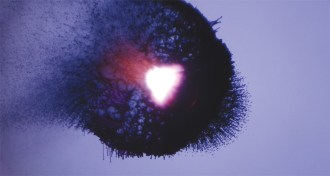
Planetary ScienceComet ISON fell apart earlier than realized
Comet ISON disintegrated at least eight hours before it grazed the surface of the sun last fall, new observations show.
-
TechWax-coated plastic morphs between soft and stiff
Heat-controlled materials could serve as skeleton for shape-shifting robots.
By Meghan Rosen -
Health & MedicineOrganic foods may contain extra antioxidants
Contrary to previous studies, a new analysis finds that organic crops have nutritional benefits over conventionally grown foods.
By Beth Mole -
ClimateCell phone towers monitor African rains
Scientists used cell phone towers to monitor African rains, a method that could track weather in regions without robust meteorological infrastructure.
-
AnthropologyRomanian cave holds some of the oldest human footprints
A group of Homo sapiens left footprints about 36,500 years ago, not 15,000 as scientists had thought.
By Bruce Bower -
LifePregnancy disorder shares aspects with Alzheimer’s
Misfolded proteins, the hallmark of Alzheimer’s and mad cow diseases, are found in urine of women with preeclampsia.
-
NeuroscienceObese women struggle to learn food associations
In a lab experiment, women fail to connect color signal with tasty reward, a deficit that may contribute to obesity.